Buying Property in Australia as a Temporary Resident
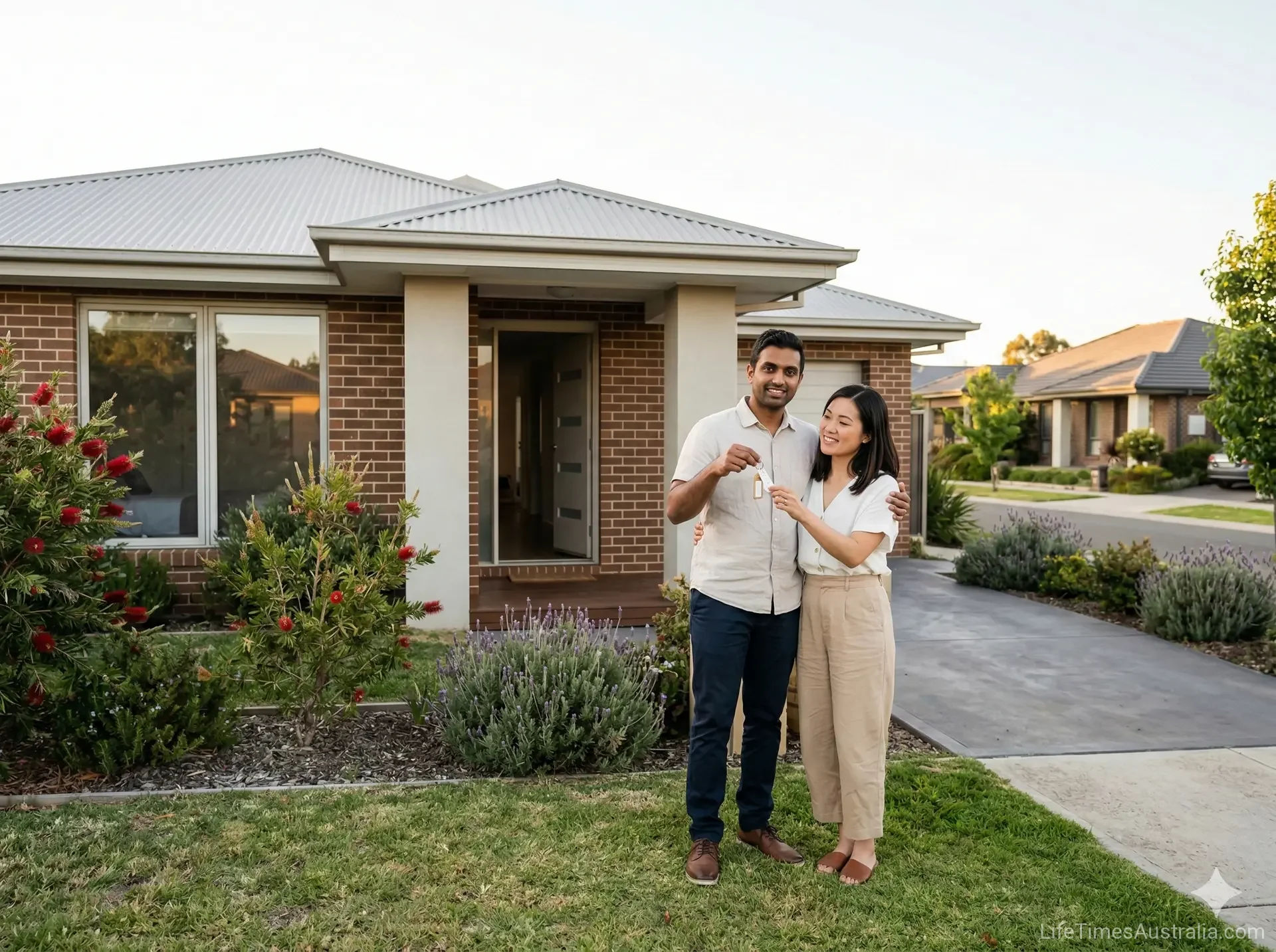
Ever dreamed of owning a slice of the Australian dream while on a temporary visa? As a temporary resident, buying property here isn't straightforward, but with the right knowledge, it's achievable—esp...
The Lifetimes Australia editorial team curates, fact-checks, and updates guides on personal finance, property, health, immigration, legal, business, and lifestyle topics relevant to Lifetimes Australia readers. Articles are produced with AI assistance and reviewed by the editorial team before publication.
Ever dreamed of owning a slice of the Australian dream while on a temporary visa? As a temporary resident, buying property here isn't straightforward, but with the right knowledge, it's achievable—especially if you're planning to make Australia home during your stay. Whether you're on a skilled work visa or waiting for permanent residency, understanding the rules from FIRB approval to financing can turn that dream into reality.
Who Counts as a Temporary Resident?
In Australia, a temporary resident typically holds a visa allowing a continuous stay of more than 12 months, such as the Temporary Skill Shortage (TSS) Subclass 482 visa, Regional Provisional visas (491 or 494), or the Temporary Graduate visa (485). It also includes those on a bridging visa while awaiting a permanent visa decision, like for Skilled Independent (189) or Employer Nomination Scheme (186) visas.
You're not considered a foreign person—and thus face fewer hurdles—if buying jointly with an Australian citizen or permanent resident spouse as joint tenants. Always confirm your status, as it dictates FIRB requirements and state surcharges.
FIRB Approval: Your First Hurdle
Most temporary residents need approval from the Foreign Investment Review Board (FIRB), managed through the Australian Taxation Office (ATO). Applications are property-specific—you can't get blanket approval—and take 1-2 months, up to 40 days in some cases.
Key Rules and Exceptions in 2026
From 1 April 2025 to 31 March 2027, foreign persons, including most temporary residents, are banned from buying established dwellings unless they qualify for limited exceptions. Exceptions allow temporary residents to buy one established home to live in as their principal residence—no renting it out—and sell within three months if it stops being your main home.
- New dwellings: Easier approval, as they add to housing stock.
- Vacant land: Approved for development, but construction must finish within four years, with proof submitted within 30 days.
- Redevelopment: Established homes can be bought to demolish and rebuild, increasing housing stock, under strict timelines—no renting before demolition.
Auctions are tricky: Bids can't include conditions like FIRB approval, so private treaties are safer. Exchange contracts conditionally on approval, but serve the cooling-off period post-approval.
2026 FIRB Application Fees
Fees have risen—expect $15,100 for new dwellings up to $1 million, or $45,300 for established ones in the same bracket (e.g., $950,000 property). Pay upfront via the ATO; no approval without it. Submit via the ATO portal with ID, property docs, financials, and statutory declarations.
Financing Your Purchase as a Temporary Resident
Securing a home loan is tougher for temporary residents, but possible with steady income proof. Lenders prefer Australian credit history, so bring overseas records. Expect higher deposits—20-30% (e.g., $160,000-$240,000 on an $800,000 property)—as foreign income might be discounted to 50-80%.
Permanent residents get easier terms, but temporary visa holders with valid work permits qualify if earning enough for repayments. Shop specialist lenders; joint applications with Aussie partners boost chances.
Practical Tips for Loan Approval
- Gather tax returns, employment contracts, and proof of funds (translated if needed).
- Show visa validity and income stability—freelancers struggle more.
- Compare lenders via brokers familiar with expat financing.
State-Specific Costs and Taxes
Beyond FIRB, states slap foreign buyer surcharges on stamp duty—e.g., 8% extra in NSW or Victoria for non-residents. Check your state's revenue office (e.g., revenue.nsw.gov.au). Other costs: conveyancing ($1,500-$2,500), building inspections, and loan fees.
| State | Foreign Buyer Surcharge (2026) | Notes |
|---|---|---|
| NSW | 8% on market value | Applies even with Aussie spouse in some cases |
| Vic | 8% | Exemptions for main residence |
| QLD | 7% | Check for updates |
Ongoing Obligations and Penalties
Post-purchase, comply or face fines. Lodge annual vacancy fee returns with the ATO, even if occupied—prove with utility bills or tenancy agreements. The fee matches your FIRB charge if vacant over six months.
If leaving Australia, sell established dwellings within three months (unless redeveloped). Keep records meticulously to avoid penalties.
Actionable Steps to Stay Compliant
- Notify FIRB/ATO of changes like visa expiry or departure.
- Use your home as principal residence—renting breaches conditions.
- Engage a licensed conveyancer or solicitor per state laws.
Steps to Buy Property as a Temporary Resident
- Check eligibility: Confirm visa and FIRB needs via ato.gov.au.
- Apply for FIRB: Submit with fees and docs before contract.
- Secure finance: Get pre-approval, prepare for higher deposits.
- Find property: Focus on new builds or exceptions; avoid auctions.
- Exchange contracts: Conditional on FIRB; pay deposit post-cooling-off.
- Settle and comply: Lodge returns, live in it, sell if needed.
Next Steps to Get Started
Start by visiting ato.gov.au for FIRB forms and fees. Consult a migration agent for visa ties and a mortgage broker for loan options. Engage a local conveyancer early, and crunch numbers including surcharges. With planning, you'll navigate these rules and secure your Aussie property—potentially paving the way to permanent residency.
Frequently Asked Questions
Sources & References
-
1
How to buy a house in Australia as a temporary resident — nwivisas.com
-
2
Buying a Property in Australia - Temporary Residents — visaenvoy.com
-
3
FIRB Guide for Temporary Residents 2026 - Everest Home Loans — www.everesthomeloans.com.au
-
4
Buying property in Australia in 2026 - Smart Currency Exchange — www.smartcurrencyexchange.com
-
5
Buying property in Australia as a foreigner: what you need to know — www.taxesforexpats.com
- 6
-
7
Residential fees for a foreign person - Australian Taxation Office — www.ato.gov.au
Related Articles

How to Win at an Australian Property Auction
Picture this: the auctioneer's gavel hovers, the crowd holds its breath, and your bid echoes through the room. Winning an Australian property auction isn't just luck—it's strategy, preparation, and kn...
Renting vs Buying in Australia: A Financial Breakdown
The rent versus buy decision is one of the biggest financial choices you'll make in Australia, and the answer isn't the same for everyone. While homeownership has long been seen as the cornerstone of...
Understanding Strata Titles and Body Corporate Fees
Ever walked into a sleek apartment block in Sydney or a row of townhouses in Brisbane, dreaming of calling it home, only to hear about "strata titles" and "body corporate fees" that make your eyes gla...

The Hidden Costs of Buying a House in Australia
Buying your first home in Australia feels like ticking off a major life goal, but what if we told you the deposit you've scrimped for isn't the full story? Beyond the headline price tag—often hovering...