The First Home Owner Grant (FHOG): Eligibility and Application
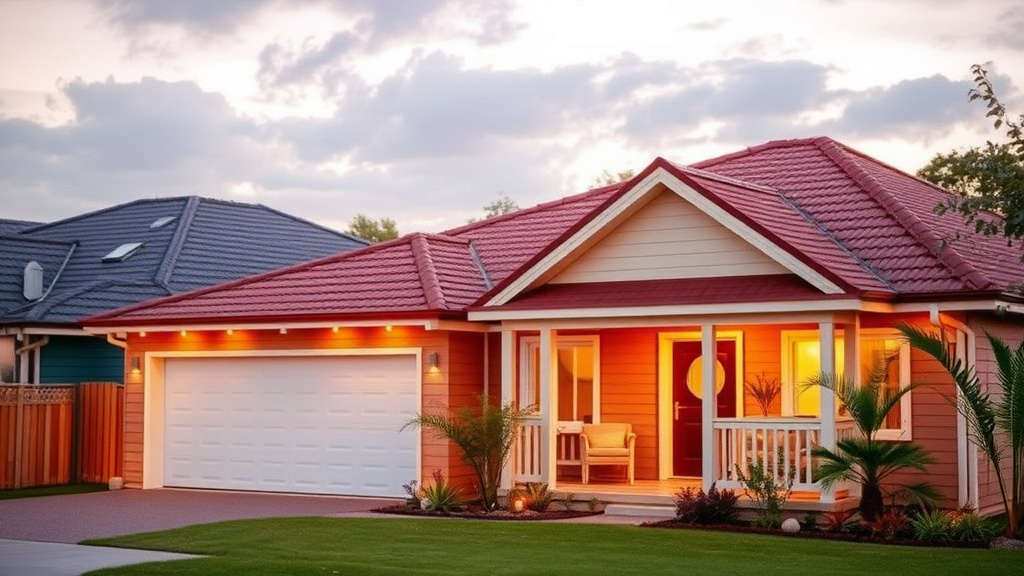
Dreaming of your first home in Australia? The First Home Owner Grant (FHOG) could be the boost you need to turn that dream into reality, helping thousands of Aussies step onto the property ladder eac...
The Lifetimes Australia editorial team curates, fact-checks, and updates guides on personal finance, property, health, immigration, legal, business, and lifestyle topics relevant to Lifetimes Australia readers. Articles are produced with AI assistance and reviewed by the editorial team before publication.
Dreaming of your first home in Australia? The First Home Owner Grant (FHOG) could be the boost you need to turn that dream into reality, helping thousands of Aussies step onto the property ladder each year. Whether you're eyeing a new house in Brisbane, a unit in Sydney, or building on the Gold Coast, understanding the FHOG's eligibility and application process is your first step towards home ownership.
What is the First Home Owner Grant (FHOG)?
The FHOG is a state-based initiative designed to help first-time buyers purchase or build a new home. Introduced to ease the financial burden of entering the housing market, it provides a one-off payment that doesn't need to be repaid. Importantly, it's not means-tested, so your income won't disqualify you, and it's separate from federal schemes like the Home Guarantee Scheme administered by Housing Australia.
Each state and territory runs its own version with specific grant amounts and rules, but the core idea remains: support for buying or building new homes, not established ones. As of 2026, grants range from $10,000 to $30,000 depending on your location and contract date.
Grant Amounts by State and Territory in 2026
Here's a breakdown of current FHOG values—always check your state revenue office for the latest, as amounts can change:
- Queensland: $30,000 for contracts signed between 20 November 2023 and 30 June 2026; $15,000 prior.
- New South Wales: $10,000 for new homes up to $600,000 or house-and-land up to $750,000.
- Victoria: Up to $10,000 (varies; confirm with SRO) for homes up to $750,000.
- South Australia: $15,000 for homes up to $575,000.
Other states like Western Australia, Tasmania, and the Northern Territory have their own schemes—visit your state revenue site for details.
Who is Eligible for the FHOG?
Eligibility is strict to ensure the grant goes to genuine first-home buyers. You must meet all criteria, which apply to you and any co-applicants (including spouses, even if not applying).
Key Eligibility Criteria
- Age: At least 18 years old at settlement or completion (exceptions for under-18s or legal disability trusts in some states).
- Citizenship/Residency: At least one applicant must be an Australian citizen or permanent resident at possession date. From 26 November 2026, New Zealand citizens qualify in Victoria regardless of special category visa.
- First Home Buyer Status: Neither you nor your spouse/partner have:
- Received an FHOG anywhere in Australia before (repayments may allow reapplication).
- Owned residential property in Australia before 1 July 2000, or lived in one you owned post-2000 for 6+ continuous months.
- Applicant Type: Natural persons only—no companies or trusts.
- Home Residency: Occupy as principal place of residence for at least 12 months (starting within 12 months of settlement/build completion). Australian Defence Force members may be exempt.
What Counts as a New Home?
The grant is for new homes only—never established (previously occupied or sold as residence) properties. Eligible types include:
- New houses, units, duplexes, townhouses.
- Owner-builder homes or comprehensive building contracts.
- Substantially renovated homes, granny flats on relatives' land, kit/modular homes, or manufactured home park dwellings.
The home must be on land where you have a relevant interest, and it can't have been leased, occupied, or used for short-term stays before completion.
Value Limits
| State | Purchase Price Limit | House + Land Limit |
|---|---|---|
| Queensland | $750,000 | $750,000 |
| NSW | $600,000 | $750,000 |
| Victoria | $750,000 | $750,000 |
| South Australia | $575,000 | N/A |
These caps include land and variations; exceed them, and you're ineligible.
Common Ineligibility Traps
- Prior investment property ownership post-1 July 2000 (unless solely for investment with proof).
- Using FHSS (First Home Super Saver) scheme previously.
- Home previously occupied/sold as residence.
How to Apply for the FHOG: Step-by-Step Guide
Applications are handled by your state revenue office—deadlines vary, so act fast after signing contracts.
- Check Eligibility: Use online tools like Queensland's eligibility tester or Victoria's checklist.
- Gather Documents: Contract of sale/build, ID, proof of citizenship, valuation (if needed).
- Submit Application: Online, via post, or through approved agents (e.g., solicitors, conveyancers). For owner-builders, apply when foundations laid.
- Await Approval: Funds paid at settlement/completion—often direct to your lender.
- Occupy the Home: Meet residency rules to avoid clawback.
Tip: Apply jointly if co-buying; it's one grant per transaction, not per person. Pair with stamp duty concessions for bigger savings—check ato.gov.au for transfer duty info.
State-Specific Tips for Aussies
Queensland
With $30,000 on offer until June 2026, it's a hotspot for first buyers. Ideal for Gold Coast builds under $750,000. No income caps—perfect for couples.
New South Wales
$10,000 grant plus potential stamp duty exemptions for homes under $1 million (first buyers). ADF exemptions make it flexible.
Victoria
Focus on off-the-plan buys up to $750,000. New Zealanders get a boost from late 2026.
Wherever you are, combine FHOG with federal help like the 5% Deposit Scheme for single parents or those with 2-5% deposits.
Next Steps to Claim Your FHOG
Ready to buy? Start with your state revenue office website today—plug in your details for an eligibility check. Chat with a mortgage broker to pair FHOG with competitive loans, and explore extras like stamp duty relief via australia.gov.au. With rates steady in 2026, now's a great time for Aussies to buy smart and build equity. Your first home awaits—get pre-approved and make it happen!
Frequently Asked Questions
Sources & References
-
1
Queensland Revenue Office: First Home Owner Grant Eligibility — qro.qld.gov.au
-
2
State Revenue Office Victoria: Understanding the First Home Owner Grant — www.sro.vic.gov.au
-
3
Revenue NSW: First Home Owner (New Homes) Grant — www.revenue.nsw.gov.au
-
4
Inovayt: How To Use The First Home Owners' Grant In Queensland — www.inovayt.com.au
-
5
AMP: A Guide to the First Home Owner Grant — www.amp.com.au
-
6
Mortgage Choice: 2025 First Home Owners Grants — www.mortgagechoice.com.au
-
7
First Home Buyers: Australian Government 5% Deposit Scheme — firsthomebuyers.gov.au
Related Articles
How to Win at an Australian Property Auction
Picture this: the auctioneer's gavel hovers, the crowd holds its breath, and your bid echoes through the room. Winning an Australian property auction isn't just luck—it's strategy, preparation, and kn...
Renting vs Buying in Australia: A Financial Breakdown
The rent versus buy decision is one of the biggest financial choices you'll make in Australia, and the answer isn't the same for everyone. While homeownership has long been seen as the cornerstone of...
Understanding Strata Titles and Body Corporate Fees
Ever walked into a sleek apartment block in Sydney or a row of townhouses in Brisbane, dreaming of calling it home, only to hear about "strata titles" and "body corporate fees" that make your eyes gla...

The Hidden Costs of Buying a House in Australia
Buying your first home in Australia feels like ticking off a major life goal, but what if we told you the deposit you've scrimped for isn't the full story? Beyond the headline price tag—often hovering...