Cost of Living in Perth 2026: Mining Boom Impact on Prices
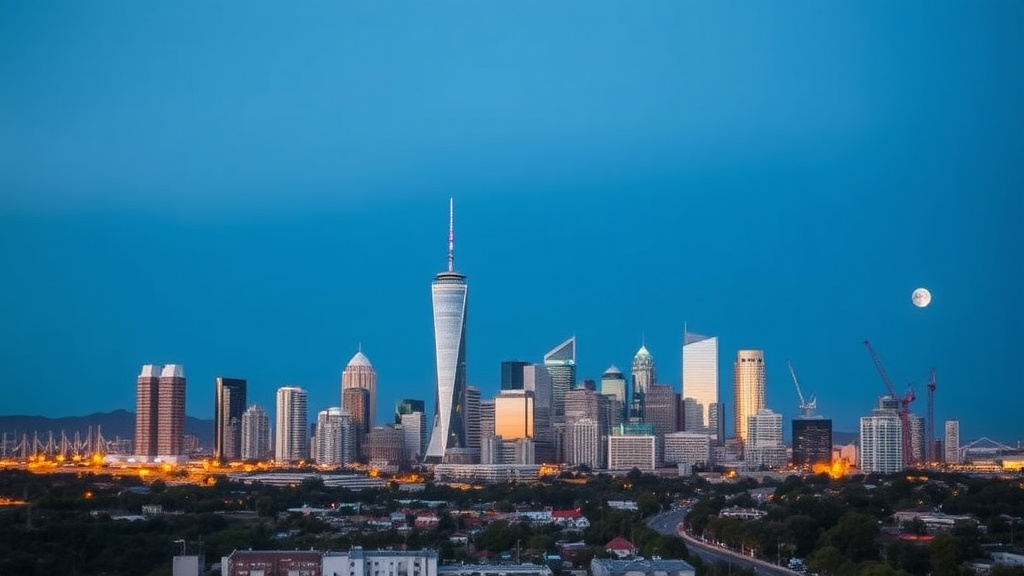
Perth's mining boom is firing up again in 2026, pushing up everything from rent to your weekly grocery shop. If you're an Aussie eyeing a move to the west or just trying to make your dollars stretch f...
The Lifetimes Australia editorial team curates, fact-checks, and updates guides on personal finance, property, health, immigration, legal, business, and lifestyle topics relevant to Lifetimes Australia readers. Articles are produced with AI assistance and reviewed by the editorial team before publication.
Perth's mining boom is firing up again in 2026, pushing up everything from rent to your weekly grocery shop. If you're an Aussie eyeing a move to the west or just trying to make your dollars stretch further in the City of Lights, understanding how this resource rush affects everyday costs is key to smart planning.
How the Mining Boom is Driving Perth's Cost of Living in 2026
The mining sector remains the heartbeat of Perth's economy, drawing skilled workers from across Australia and overseas. This influx creates high demand for housing, food, transport, and services, outstripping supply and inflating prices across the board. With Western Australia's population projected to hit four million within two decades, fuelled by this boom, expect sustained pressure on living expenses.
Property prices in Perth are rising 7-10% annually, thanks to mining's revival. Rents and home loans follow suit, making it tougher for families and singles alike. But it's not all doom—strategic budgeting and government supports like Centrelink can help you navigate it.
Housing Costs: The Biggest Hit from the Boom
Housing tops the list of rising costs, with Perth's market soaring due to mining demand far exceeding supply. Median house prices have climbed steadily, with some suburbs seeing 7-9% growth in 2026.
- Median house price: Around $800,000-$900,000 in key suburbs, up 7-10% year-on-year.
- Rental yields: High in mining-adjacent areas like those near Port Hedland, but inner Perth vacancies are low, pushing weekly rents to $600-$800 for a three-bedroom home.
- Units and apartments: More affordable at $500-$700 weekly, but demand from fly-in-fly-out workers keeps them competitive.
Inventory shortages exacerbate this—listings dropped to under 2,000 by late 2025, creating a seller's market. East Coast investors are snapping up properties from Fremantle to Mullaloo, adding to the squeeze. If you're renting, check for bonds via the Residential Tenancies Act through Consumer Protection WA. Homebuyers, use the First Home Owner Grant—up to $10,000 for new builds in 2026.
Groceries and Daily Essentials: Mining Wages vs Inflation
Mining workers' high wages—often $150,000+ annually—boost local spending, driving up supermarket prices. Expect to pay 5-8% more for basics in 2026 compared to 2025.
| Item | Weekly Cost (Family of 4) | YoY Increase |
|---|---|---|
| Milk (4L) | $6.50 | 6% |
| Bread (loaf) | $4.00 | 5% |
| Meat (kg beef) | $18.00 | 8% |
| Fruit & Veg (basket) | $45.00 | 7% |
(Estimates based on ABS data trends adjusted for mining-driven demand.) Shop at Aldi or markets like Perth City Farm for savings. Medicare covers some health-related grocery needs if prescribed.
Transport and Fuel: Commuting in a Boom Town
With more workers commuting to mining hubs or FIFO flights from Perth Airport, fuel and public transport costs are up. Petrol averages $2.10/L in 2026, a 10% jump from last year due to global demand.
- SmartRider fares: $5.20 for a 10km bus trip; get concessions via Centrelink.
- Car ownership: Rego $800/year, insurance $1,200 for comprehensive.
- Tip: Carpool via Transperth apps or electric vehicle rebates up to $3,000 from WA government.
Utilities and Bills: Powering the Mining Surge
Energy demand from mining operations pushes electricity bills higher—expect $300/month for a family home. Synergy tariffs rose 3% in 2026. Water via Water Corporation: $1,000/year average.
Actionable advice: Switch to solar with federal rebates (up to $5,000 via Clean Energy Regulator) and compare via Energy Made Easy on australia.gov.au.
Healthcare, Education, and Lifestyle Costs
Medicare keeps bulk-billed GP visits free, but specialists in mining boom areas have waitlists. School fees for public are low ($1,000/year voluntary), private up to $20,000.
Dining out: A pub meal $35, coffee $5.50. Gym membership $25/week. Entertainment like Kings Park events remains affordable at $10-20/entry.
Budgeting Tips for Thriving in Perth's 2026 Boom
Here's how to keep costs in check:
- Track spending: Use ATO's myGov app for tax offsets like Low Income Tax Offset (up to $700).
- Housing hacks: Share houses in suburbs like Joondalup (15-20% growth forecast).
- Groceries: Bulk buy at Costco or use HECS-HELP repayment pauses if studying.
- Save on transport: Cycle paths expanded; claim work-from-home deductions via ATO.
- Invest wisely: High yields in regional spots like Busselton (10-15% growth).
Next Steps to Master Perth Costs
Crunch your numbers with the ATO's tax calculator, scout rentals on realestate.com.au, and tap into WA's mining jobs via Seek. Whether you're a FIFO pro or beach lover, Perth's boom offers opportunity if you plan ahead. Stay savvy, and you'll ride the wave.
Frequently Asked Questions
Sources & References
-
1
Top Australian Property Boom Regions in 2026 with Fastest Growth — www.landsales.com.au
-
2
Perth & WA Housing Growth Forecast | MIRA Residential — miraresidential.com.au
-
3
Cost of Living in Australia: 2025 Data and 10-Year Outlook — northremovals.com.au
-
4
The Perth Property Boom? Why I'm Moving My Entire Portfolio in 2026 — www.youtube.com
-
5
Hot 100 suburbs for 2026: Experts predict the next property hotspots — www.mortgagechoice.com.au
-
6
'Four million': The Aussie state set for increase | 9 News Australia — www.youtube.com
Related Articles
Cost of Living in Sydney 2026: What You Actually Need to Earn
Sydney's sparkle comes at a price—it's one of the world's priciest cities, where harbour views and vibrant suburbs demand a solid paycheck to match. If you're eyeing a move or just sizing up your budg...
Cost of Living in Brisbane 2026: The Cheaper Capital City?
Thinking about making Brisbane your home in 2026? With its sunny subtropical vibe, booming job market, and riverside lifestyle, Brisvegas is tempting many Aussies looking to escape sky-high Sydney or...
Cost of Living in Adelaide 2026: Australia's Most Affordable Capital?
Imagine ditching the sky-high rents of Sydney or Melbourne for a laid-back lifestyle with pristine beaches, world-class wine regions, and festivals galore—all without breaking the bank. In 2026, Adela...
Cost of Living in Melbourne 2026: Is It Still Cheaper Than Sydney?
Thinking about making the move to Melbourne or sticking it out in Sydney? With housing prices climbing and everyday expenses squeezing budgets across Australia, many Aussies are asking if Melbourne re...