Flood Insurance in Australia: Are Most Policies Actually Covering You?
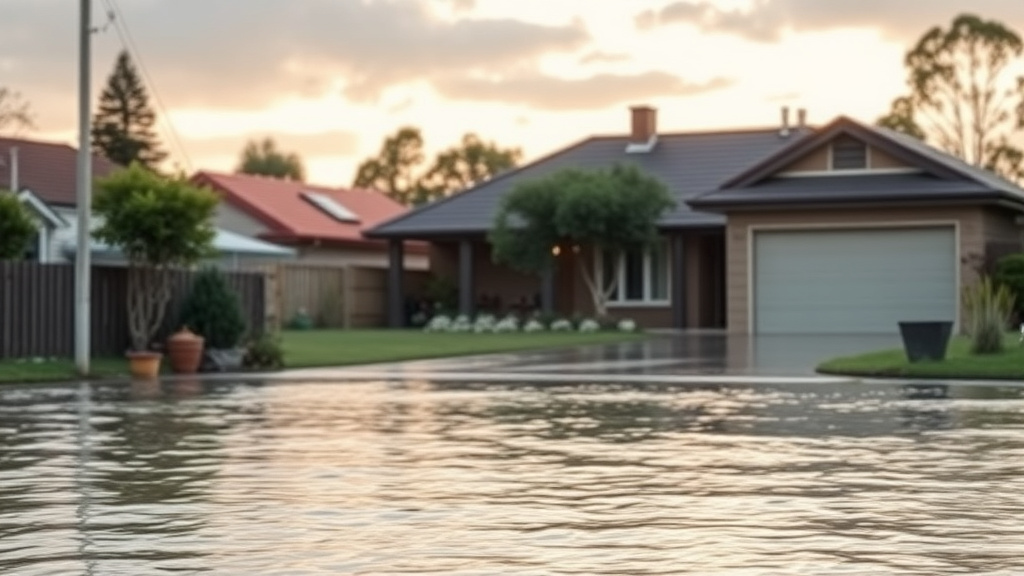
Imagine waking up to chest-high water surging through your home in Lismore or Brisbane, only to discover your insurance policy doesn't cover the very disaster that's destroyed everything you've worked...
The Lifetimes Australia editorial team curates, fact-checks, and updates guides on personal finance, property, health, immigration, legal, business, and lifestyle topics relevant to Lifetimes Australia readers. Articles are produced with AI assistance and reviewed by the editorial team before publication.
Imagine waking up to chest-high water surging through your home in Lismore or Brisbane, only to discover your insurance policy doesn't cover the very disaster that's destroyed everything you've worked for. With floods becoming more frequent across Australia, this nightmare is all too real for many Aussies—and the stats are shocking.
Of the 242,000 homes at highest flood risk nationwide, a staggering 77% lack flood cover, and 70% are in below-median income areas. As we head into 2026, with insurers pushing for a $30 billion Flood Defence Fund and major providers like Allianz including flood as standard from early 2025, it's time to ask: is your policy truly protecting you? This article breaks it down with the latest facts, real Aussie examples, and practical steps to safeguard your property.
What Counts as a Flood in Australian Home Insurance?
Understanding the definition of "flood" is crucial—it's not just heavy rain. Most policies define flood as a large volume of water that rushes from the natural surroundings—like rivers, creeks, or stormwater drains—onto normally dry land. This excludes damage from burst pipes, poor drainage, or rainwater alone, which might fall under storm or water ingress cover.
Allianz, for instance, covers loss from flood, run-off, or flood water mixed with run-off and rainwater in new policies from 14 January 2025. But exclusions apply: some renewing customers who previously opted out or met high-risk criteria might still lack it—check your policy via My Allianz or call 13 1000.
Common Exclusions and Gotchas
- Stormwater overflow vs. riverine flood: Many policies differentiate; riverine (from rivers/creeks) often requires specific flood cover.
- Low-value caps: Some insurers limit payouts to $15,000 or less for flood damage.
- High-risk opt-outs: Providers like NRMA (IAG) have required opt-outs for all water damage, causing confusion.
- Actions within 72 hours of flood, like soil movement or erosion, are often covered if directly caused by the event.
In Queensland, the government urges checking policies carefully, as coverage varies widely. RACQ, Suncorp, QBE, Youi, and Hollard now include flood as standard in most policies, ditching opt-outs.
The Shocking Reality: Why Most Policies Aren't Covering Floods
Despite shifts toward standard inclusion, coverage gaps persist. Alarmingly, 77% of our highest-risk homes go without flood insurance, hitting low-income areas hardest. Rising premiums—driven by frequent disasters and $107 billion in global insured losses last year—are forcing Aussies to drop cover.
In high-risk spots like the NSW North Coast or Queensland's catchments, insurers are withdrawing entirely, leaving 200,000+ properties at 1-in-20 year risk uninsurable or unaffordable. The Insurance Council of Australia (ICA) warns of "unacceptable levels of risk" in these zones.
Aussie Flood Hotspots and Real Impacts
Recent events highlight the stakes:
- Lismore 2022 floods: Thousands claimed, but many were underinsured or excluded, leading to government buybacks.
- Brisbane 2022: Riverine flooding devastated suburbs; opt-out policies left homeowners rebuilding alone.
- 2025-2026 trends: Extreme weather surges costs, with APRA urging "futureproofing" via strong underwriting.
Commonwealth Bank's home insurance includes flood for building/contents if selected, but always verify.
Recent Changes: Flood Cover Going Standard in 2025-2026
Good news: the tide is turning. Allianz made flood standard for new/renewing home and landlord policies from 14 January 2025, covering low-moderate risk customers automatically. Others like RACQ mandate it—no opt-out.
Yet, for legacy high-risk policies, opt-outs linger. The shift reduces confusion but risks uninsurability for 242,000 extreme-risk homes.
Government and Industry Responses
The Albanese Government is stepping up:
- Disaster Ready Fund: $1 billion over five years for risk reduction.
- Hazards Insurance Partnership: Shares data to cut premiums via mitigation.
- Cyclone reinsurance pool review for better incentives.
Insurers propose a $30.15 billion Flood Defence Fund—co-funded by QLD, NSW, VIC governments—for levees ($15B), property strengthening ($5B), buybacks ($10B), and infrastructure upgrades ($150M). This could ease premiums long-term in flood-prone areas.
How to Check If Your Policy Covers Flood—and What to Do Next
Don't assume—verify today. Here's your actionable checklist:
- Log in or call: Use insurer portals (e.g., My Allianz) or phone lines like 13 1000.
- Review PDS: Product Disclosure Statement details flood definitions/exclusions.
- Use NFID: National Flood Information Database flags your property's risk.
- Compare quotes: Sites like Compare the Market show flood-inclusive options.
- Add if missing: Many allow mid-term additions; expect premium hikes in high-risk zones.
For renters, landlord policies often cover buildings, but check your contents for flood. In QLD, prepare via state resources.
Tips to Lower Premiums and Boost Resilience
- Install flood barriers, raise appliances, or seal walls—qualify for discounts.
- Join community mitigation via Disaster Ready Fund projects.
- Consider parametric insurance for fast payouts post-disaster.
- Bundle home/contents for better rates; shop annually.
Protect Your Home Before the Next Flood Hits
Floods don't wait for perfect policies—nor do rising premiums. With 77% of high-risk homes exposed and big changes underway, now's the time to act. Review your cover today, mitigate risks, and stay informed via ICA or government sites. Your peace of mind (and property) depends on it—get quoting, fortify, and flood-proof your future.
Frequently Asked Questions
Sources & References
-
1
Flood Cover with Home Insurance | Allianz Australia — www.allianz.com.au
-
2
Insurers urge Australia to launch $21 billion flood defense fund — www.japantimes.co.jp
-
3
Latest insurance speeches - 77% of Australia's highest flood-risk homes lack flood cover — www.regulationtomorrow.com
-
4
2026-2027 Pre-Budget Submission - Insurance Council of Australia — insurancecouncil.com.au
-
5
Chapter 9 - Improving affordability and access to flood insurance — www.aph.gov.au
-
6
Insurers Urge Australia to Launch $21 Billion Flood Defense Fund — www.insurancejournal.com
-
7
Is my home or building covered for damage caused by flood — www.commbank.com.au
-
8
Flood Cover in Home Insurance | Compare the Market — www.comparethemarket.com.au
-
9
Flood insurance - Queensland Government — www.qld.gov.au