Off-the-Plan Apartments: Risks and Rewards
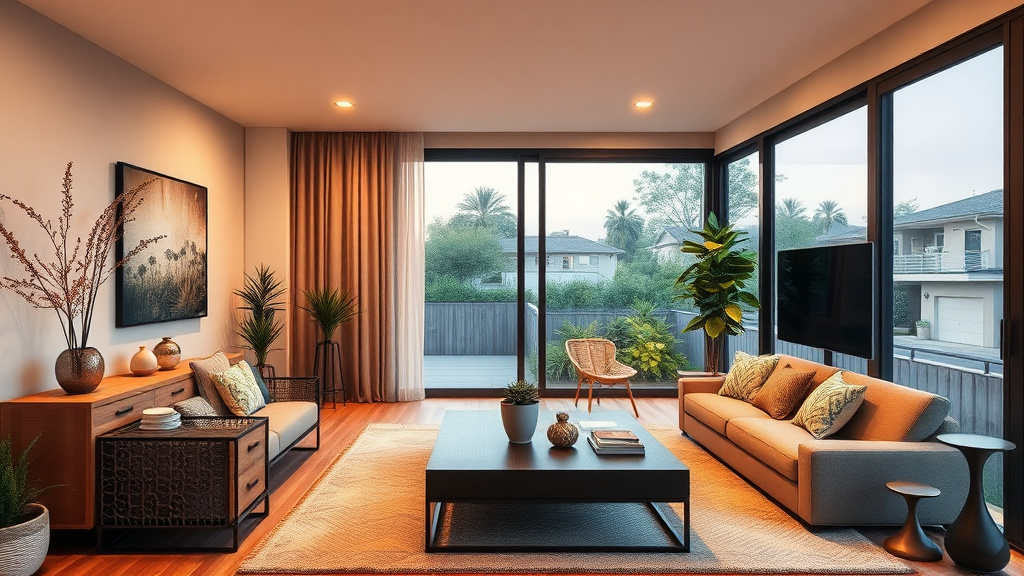
Picture this: you're eyeing a sleek apartment in Brisbane's buzzing inner city, locked in at today's price before the cranes even lift off the ground. Off-the-plan apartments promise that dream entry...
The Lifetimes Australia editorial team curates, fact-checks, and updates guides on personal finance, property, health, immigration, legal, business, and lifestyle topics relevant to Lifetimes Australia readers. Articles are produced with AI assistance and reviewed by the editorial team before publication.
Picture this: you're eyeing a sleek apartment in Brisbane's buzzing inner city, locked in at today's price before the cranes even lift off the ground. Off-the-plan apartments promise that dream entry into Australia's overheated property market, but with construction delays, market swings, and rising interest rates, are they a smart move or a risky gamble? In 2026, as house prices climb and supply lags, understanding the risks and rewards of off-the-plan apartments is crucial for savvy Aussies looking to invest or secure their first home.
What Are Off-the-Plan Apartments?
Off-the-plan apartments mean buying a property before it's built—often just from blueprints and artist impressions. Popular in high-demand spots like Sydney's inner west, Melbourne's middle-ring suburbs, and Brisbane's growth corridors, these developments help tackle Australia's housing shortage. With the National Housing Accord targeting 1.2 million new homes by 2029, off-the-plan projects, especially multi-unit apartments, are key to boosting supply in major cities.
For investors and first-home buyers, it's a chance to get in early. But as completions lag—only 45,000 new homes in the Accord's first quarter—buyers must weigh the perks against real-world hurdles.
The Rewards: Why Off-the-Plan Can Pay Off Big
In a market where established properties are priced out of reach, off-the-plan offers compelling upsides, especially amid 2026's price surges.
Lower Entry Prices and Potential Capital Growth
You often snag apartments at pre-construction prices, below what completed units fetch. KPMG forecasts unit prices rising 7.1% nationally in 2026, with Perth units leaping 11.6% and Brisbane at 7.8%. If values climb during construction—as projected in Sydney (5.3%) and Melbourne (7.3%)—you could pocket instant equity.
Stamp Duty Savings and First-Home Perks
A major win: no stamp duty until settlement, which can be years away. This defers costs and lets your deposit work harder. First-home buyers in NSW, Victoria, or Queensland might qualify for exemptions or concessions—check state revenue offices like Revenue NSW for 2026 thresholds. The 5% Deposit Scheme in Sydney caps at $1.5 million, easing entry despite borrowing limits.
Custom Choices and Rental Appeal
Pick finishes or layouts before build starts. With rents hitting records—$792/week for units nationally—these apartments shine for investors. Unit rents rise faster in Brisbane, Adelaide, and Perth, driven by affordability pushing tenants to apartments. Vacancy rates stay low, ensuring steady income.
Prime Locations in Growth Areas
Developers target hotspots: Sydney's inner and outer west, Brisbane's north, and Perth's surging market (2% monthly growth). These align with infrastructure booms, like Cross River Rail in Brisbane, amplifying long-term value.
The Risks: Hidden Pitfalls of Off-the-Plan Buying
While rewards dazzle, off-the-plan isn't risk-free. Construction complexities and market volatility can turn dreams sour.
Construction Delays and Developer Reliability
Delays from weather, labour shortages, or approvals are common—pushing settlement back months or years. Check the developer's track record via NSW Fair Trading or QBCC in Queensland. Poor build quality might mean defects; insist on warranties under the Design and Building Practitioners Act (NSW) or equivalent state laws.
Market Fluctuation and Valuation Gaps
If prices dip during construction, your completed unit might value below contract price, risking loan rejection. Lenders revalue at settlement; a drop could mean topping up cash. With supply easing slightly in 2026—more completions and rising vacancies— this risk grows.
Finance Hurdles and Rising Costs
Banks often give conditional approval upfront, but formal finance is near settlement. Interest rate hikes or personal changes could derail it—keep a buffer. Ongoing strata fees for pools or gyms add up; budget $5,000–$10,000/year in city blocks.
Ongoing Fees and Lifestyle Surprises
Strata levies, sinking funds, and insurance hit post-completion. In high-rises, these can surprise; review the strata management plan and budget for 2026's projected 3.5% rent rises not covering all costs.
Australian Market Outlook for Off-the-Plan in 2026
Property prices hit records, with national medians at $922,838 in February 2026. Supply improves but falls short; off-the-plan fills gaps in capitals. Perth leads house growth at 12.8%, units 11.6%; Brisbane follows at 10.9% houses, 7.8% units. Listings rise 4.6% monthly but lag last year.
| Location | Unit Growth 2026 |
|---|---|
| Sydney | 5.3% |
| Melbourne | 7.3% |
| Brisbane | 7.8% |
| Adelaide | 6.6% |
| Perth | 11.6% |
Practical Tips for Buying Off-the-Plan in Australia
- Due Diligence: Hire a conveyancer or solicitor to review contracts. Visit the site and check planning approvals via local councils or NSW Planning.
- Financial Prep: Get pre-approval but confirm lender's off-the-plan policy. Use ATO's property tools for tax implications like negative gearing.
- Inspect Thoroughly: Demand sunset clauses for delays and defect liability periods. Engage building inspectors pre-settlement.
- Market Timing: Target stable or rising markets like Perth; avoid if rates spike. Track ABS building data for pipelines.
- Professional Advice: Consult buyer's agents or firms like LINK for vetted projects.
Next Steps: Make Your Move Wisely
Off-the-plan apartments balance risks and rewards in 2026's tight market—lower prices and growth potential versus delays and finance woes. Research developers, crunch numbers with a financial adviser, and consult state bodies like Consumer Affairs Victoria or QBCC. Whether investing in Perth's boom or Brisbane's steady rise, due diligence turns potential pitfalls into profits. Ready to dive in? Start with a buyer's agent and lock in your future today.
Frequently Asked Questions
Sources & References
-
1
Property outlook 2026: what off the plan buyers need to know — www.linkinc.com.au
-
2
Australia's Housing Market in 2026: The Perfect Storm of Policy... — propertyupdate.com.au
-
3
Buying Off-the-Plan Property in Australia: The Complete Buyer's Guide — nexthouse.com.au
- 4
-
5
Australia's Mortgage Holders Are In Trouble | Property Experts — www.youtube.com
- 6
Related Articles

Rentvesting: Renting Where You Live and Buying Where You Can Afford
Imagine living in the vibrant heart of Sydney's inner city, soaking up the cafes, nightlife, and convenience, all while building serious wealth through property ownership elsewhere. That's the power o...
A Guide to Property Depreciation Schedules
Ever bought an investment property only to realise you're leaving thousands on the table come tax time? You're not alone. A property depreciation schedule unlocks legitimate tax deductions that can sl...

Capital Gains Tax (CGT) Discounts on Investment Properties
If you're thinking about investing in Australian property, understanding how Capital Gains Tax (CGT) works is crucial to your investment strategy. Right now, the 50% CGT discount means you only pay ta...
How to Build a Property Portfolio with Equity
Imagine turning your first home into the foundation of a thriving property empire, all without needing a massive upfront cash injection. That's the power of building a property portfolio with equity—l...