Natural Disaster Preparedness in Australia: Bushfire and Flood
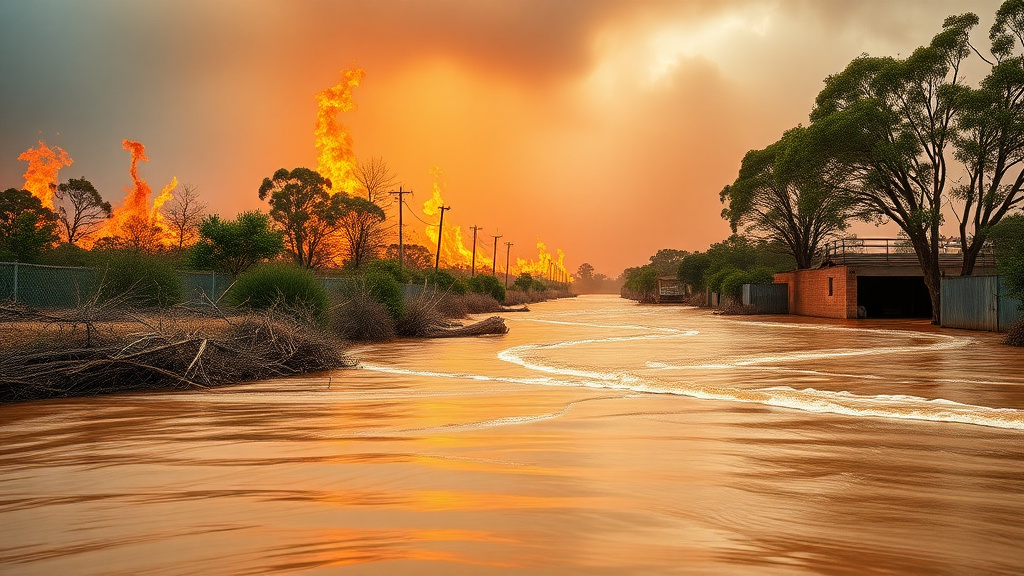
Australia's natural disasters are becoming more frequent and devastating, with bushfires and floods posing serious risks to communities across the country. Whether you're in a high-risk area or simply...
The Lifetimes Australia editorial team curates, fact-checks, and updates guides on personal finance, property, health, immigration, legal, business, and lifestyle topics relevant to Lifetimes Australia readers. Articles are produced with AI assistance and reviewed by the editorial team before publication.
Australia's natural disasters are becoming more frequent and devastating, with bushfires and floods posing serious risks to communities across the country. Whether you're in a high-risk area or simply want to protect your family and property, understanding how to prepare for these events could save lives. This guide covers everything you need to know about natural disaster preparedness in Australia, from government support to practical steps you can take today.
Understanding Australia's Disaster Risk Landscape
Australia faces a complex mix of natural hazards that vary by region and season. The autumn 2026 outlook forecasts a higher risk of fire in parts of southern, central, and eastern New South Wales, as well as most of Victoria and parts of southeast South Australia. In Western Australia, the southern Jarrah Forest, Warren, and areas of the Esperance Plains-Mallee bioregions are also expected to face elevated fire risk.
Extreme heat is actually Australia's deadliest natural hazard, claiming more lives than bushfires and floods combined. However, bushfires and floods remain among the most destructive disasters we face, causing significant property damage and community disruption.
It's important to remember that Australia's weather can change rapidly, and dangerous conditions can arise even in regions not identified as at higher risk. This means preparedness isn't just for those in obvious danger zones—it's something all Australians should consider.
The Four Phases of Emergency Management
Australia's emergency management approach is built on four interconnected phases that work together to protect communities:
- Prevention and mitigation — Removing or reducing the impact of future hazards through community education, critical infrastructure protection, and hazard research
- Preparedness — Getting ready for disasters before they strike, including planning, training, and stockpiling supplies
- Response — Acting during and immediately after a disaster to protect lives and property
- Recovery — Rebuilding and returning to normal, which can also include measures that mitigate future hazard impacts
Understanding these phases helps you see where your own preparation efforts fit into the bigger picture.
Bushfire Preparedness: What You Need to Know
Understanding Your Risk
Bushfire risk varies significantly across Australia. Check your local council's website or the Australian Bureau of Meteorology for seasonal fire danger forecasts specific to your area. If you live in or near bushland, your risk is higher, but even suburban properties can be threatened during severe fire conditions.
Creating a Bushfire Plan
A solid bushfire plan includes:
- Knowing multiple evacuation routes from your property
- Identifying a safe place to go (a friend's or family member's home outside the fire zone, or a community evacuation centre)
- Planning how you'll stay in contact with family members
- Preparing your property by clearing gutters, trimming tree branches away from the roof, and removing dead vegetation
- Having important documents and photos stored safely, preferably in digital form
- Preparing a go-bag with essentials you can grab quickly
Property Protection
Hardening your home against bushfire involves:
- Installing metal gutters and keeping them clear of leaves and debris
- Using metal mesh to cover vents and openings
- Removing dead trees and branches overhanging your roof
- Creating a 10-metre buffer zone around your home by removing flammable vegetation
- Using fire-resistant plants in your garden where possible
- Maintaining your lawn and removing fallen leaves regularly
Flood Preparedness: Protecting Your Home and Family
Know Your Flood Risk
The Australian Flood Risk Information Portal is a central online resource where you can access flood risk information, including flood studies and flood maps specific to your area. This helps you understand whether your property is in a flood-prone zone and what level of risk you face.
Effective flood warnings rely on infrastructure like rain and river gauges that monitor water heights and rainfall levels. The Australian Government has invested significantly in flood mitigation infrastructure through programs like the National Flood Infrastructure Program, which delivered $100 million in funding to state and territory governments for construction or improvement of flood mitigation infrastructure.
Developing a Flood Response Plan
Your flood plan should cover:
- Knowing which areas of your home are most at risk during flooding
- Having a clear evacuation route and knowing where you'll go
- Understanding how much warning time you're likely to have (this varies by location)
- Planning how to secure or move valuable items to higher ground
- Having important documents stored in waterproof containers or digitally backed up
- Knowing how to shut off utilities if necessary
- Keeping emergency supplies accessible but away from areas likely to flood
Home Flood Mitigation
If you're in a flood-prone area, consider:
- Installing flood barriers or doors
- Elevating electrical systems and appliances above the expected flood level
- Using water-resistant materials in vulnerable areas
- Installing a sump pump if you have a basement
- Improving drainage around your property
- Planting native vegetation that can help absorb water
Government Support and Financial Assistance
If you're affected by a bushfire or flood, the Australian Government offers several forms of support:
Disaster Recovery Payment
The Australian Government Disaster Recovery Payment is available for areas significantly impacted by bushfires and floods, ensuring affected Australians can access immediate financial support when it matters most.
Disaster Recovery Allowance
The Disaster Recovery Allowance provides ongoing financial support for people whose employment or ability to work has been affected by a disaster.
Disaster Recovery Funding Arrangements
These arrangements, delivered jointly with state and territory governments, help communities bounce back from both bushfire and flood events. Check with your state or territory government for specific programs available in your area.
Preparing Your Emergency Kit
Every Australian household should have an emergency kit containing:
- Water (at least 2 litres per person per day for several days)
- Non-perishable food for at least 3 days
- First aid kit and essential medications
- Torch and extra batteries
- Battery-powered or hand-crank radio
- Important documents in a waterproof container
- Cash (ATMs may not work during disasters)
- Phone charger or portable power bank
- Comfortable shoes and protective clothing
- Personal hygiene items
Keep your kit in an easily accessible location and check it twice a year to replace expired items.
Mental Health and Community Resilience
Psychological preparedness plays a critical role in how Australians respond to and cope with natural disasters. This means preparing mentally for the possibility of disaster, not just physically. Consider:
- Talking with family members about your disaster plan so everyone knows what to do
- Teaching children age-appropriate information about disasters and safety
- Identifying support networks and mental health resources in advance
- Understanding that it's normal to feel anxious or stressed during and after disasters
- Knowing where to access counselling services if needed
Staying Informed During Disaster Season
NEMA encourages all Australians to stay prepared, listen to local authorities, and access reliable information sources throughout high-risk seasons. Key resources include:
- Your state or territory emergency management authority
- Local council emergency alerts
- The Bureau of Meteorology for weather warnings
- Emergency Alert Australia for official emergency warnings
- Local radio and television for real-time updates
Download emergency alert apps for your state and enable notifications so you receive warnings immediately.
Taking Action Today
Natural disaster preparedness isn't something to put off until the next fire season or flood warning. Start today by assessing your personal risk, developing a family plan, and preparing your emergency kit. Check the Australian Flood Risk Information Portal if you're concerned about flood risk, and contact your local council for bushfire risk information. Talk with your family about what you'll do and where you'll go, and make sure everyone understands the plan.
Australia's emergency management system is built on the principle that preparation saves lives. By taking these steps now, you're not just protecting your property—you're giving yourself and your family the best chance of staying safe when disaster strikes.
Frequently Asked Questions
Sources & References
- 1
-
2
Extreme Heat Awareness Day 2026: Australia needs a heatwave plan - Natural Hazards Research Australia — www.naturalhazards.com.au
- 3
- 4