Private School Fees in Australia 2026: What Are Families Really Paying?
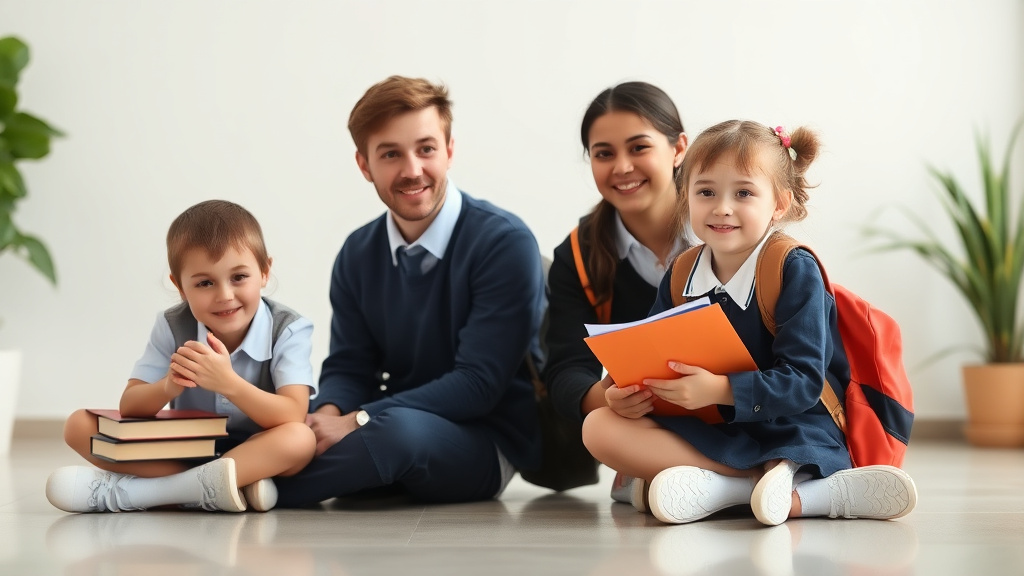
Australian families are facing an unprecedented financial squeeze when it comes to education. As the 2026 school year settles in, the cost of sending children to private schools has reached eye-wateri...
The Lifetimes Australia editorial team curates, fact-checks, and updates guides on personal finance, property, health, immigration, legal, business, and lifestyle topics relevant to Lifetimes Australia readers. Articles are produced with AI assistance and reviewed by the editorial team before publication.
Australian families are facing an unprecedented financial squeeze when it comes to education. As the 2026 school year settles in, the cost of sending children to private schools has reached eye-watering levels, with some of Australia's most prestigious institutions now charging over $55,000 per year in tuition alone. For many parents grappling with the decision between government and private education, understanding exactly what they'll be paying—and what they're getting for their money—has never been more important.
The Real Cost of Education in Australia
Let's start with the big picture. Over 13 years of schooling, the financial burden varies dramatically depending on which type of school you choose. For a child starting school in 2026 in a major city, families will pay an average of $113,594 for a government education, $247,174 for a Catholic school, and a staggering $369,594 for an independent school. That's more than three times the cost of a government education.
These figures aren't just about tuition fees either. The research, conducted by school finance group Futurity, includes the full cost of schooling—from uniforms and transport to tutoring and school camps. Government school fees make up about 13 per cent of the total cost in metro areas, with the remainder going to these add-on expenses.
If you're in a regional or remote area, the picture changes slightly. Government education costs $100,395 over 13 years, while Catholic schools run to $223,874 and independent schools $230,144. The gap narrows considerably outside major cities, though private education still commands a premium.
Where Are Private School Fees Highest?
Geography matters significantly when it comes to private school costs. Melbourne tops the list for independent school expenses, with families paying an average of $435,902 over 13 years. If you're in Western Australia's regional and remote areas, independent schools will set you back $275,639.
When it comes to individual schools, the costs are genuinely shocking. Geelong Grammar, which educated a future King Charles, is charging $55,380 in tuition fees for 2026—a 6 per cent increase on 2025. Add boarding fees of $38,460, and you're looking at nearly $94,000 a year for a single child.
Sydney's The King's School is charging $49,980 in annual fees for 2026, up 6.2 per cent from the previous year. With boarding fees of $38,370, the total reaches $88,350 for Year 12 alone. Despite these premium prices, The King's School ranked 42nd in NSW last year—suggesting that high fees don't automatically translate to top academic results.
Why Are Private School Fees Rising So Quickly?
Private school fees have increased by 5.9 per cent over the past year alone. This rapid growth is outpacing inflation and putting genuine pressure on Australian families. The median private school fee now stands at $5,863, and these increases are happening year after year.
Part of the explanation lies in the sheer scale of Australia's private school sector. More than 40 per cent of Australian high school students now attend private schools. In fact, if current trends continue, most Australian high school students will attend private schools by 2055.
The Australia Institute's research reveals something striking: Australia is the most expensive place in the developed world for families to send a child to high school. Australian families spend an average of $4,967 per year to send a child to high school—almost four times the OECD average.
Are Families Getting Better Education for Their Money?
This is the question that keeps many parents awake at night. The evidence suggests the answer is more complicated than you might think.
Research shows that despite increasingly high fees, private schools don't offer substantially better education than public schools. The gaps in test results are mainly due to differences in the socio-economic background of students, rather than the quality of teaching.
Looking at top-performing schools tells the story. Among the top ten schools in NSW, seven are public schools—all of the selective variety. Government schools on Sydney's north shore and north-west dominate the league table, suggesting that good results have more to do with the social and economic dynamics of an area than whether a school is public or private.
Independent Schools Australia argues that families choose private education for reasons beyond pure academic results. According to the organisation's chief executive, Graham Catt, "Families choose independent schools because they believe they are getting real value – strong academic outcomes, wellbeing and pastoral care, specialist programs and school environments that reflect their values".
Government Support for Private Schools
Here's something that might surprise you: private schools still receive significant public support. The King's School, despite charging nearly $50,000 in annual fees, received $17.1 million in government grants in 2024. Each Year 12 student at the school receives $7,678 in government subsidies.
This dual funding model means that even Australia's most expensive private schools are being subsidised by taxpayers. Meanwhile, public schools face a funding shortfall of over $4 billion.
The Broader Picture: Who's Choosing Private Education?
Currently, 63 per cent of Australian students are enrolled in government schools, followed by 20 per cent in Catholic schools and 17 per cent in independent schools. However, the trend is clearly towards private education, with Independent Schools Australia reporting a record-high 744,993 students enrolled across their 1,230 member schools last year.
Australian families clearly value education, with nine in ten saying education is important for their child to thrive in life. The challenge is that this value is translating into financial pressure. Many families are reconsidering whether to have more children and are relying on others for help to pay for education fees as costs accumulate.
Regional Variations Worth Knowing About
If you're considering private education, your location will significantly impact what you pay. Canberrans will spend the most for a Catholic education, while regional and remote Queenslanders pay the highest fees for Catholic schools at $273,494 over 13 years.
These regional variations reflect different school availability, demand, and local economic conditions. It's worth researching what's actually available in your area before making assumptions based on national averages.
Making Your Decision
Choosing between government and private education is one of the biggest financial decisions Australian families make. The research is clear: you're not necessarily paying for better academic outcomes when you choose a private school. What you are paying for is often the school's values, pastoral care, specialist programs, and the socio-economic composition of the student body.
Before committing to private school fees, consider these practical steps:
- Research the actual academic performance of schools in your area—don't assume expensive means better
- Calculate the full 13-year cost, not just annual fees, to understand the true financial commitment
- Look at government schools in your area, particularly selective schools, which often perform exceptionally well
- Consider whether the values and specialist programs a private school offers genuinely align with your family's priorities
- Factor in all additional costs—uniforms, transport, camps, tutoring—not just tuition
The reality is that Australian families are under genuine financial pressure when it comes to education. Whether you choose government or private schooling, the key is making an informed decision based on your family's values, financial capacity, and what you genuinely want from your child's education—not just assumptions about cost equalling quality.
Frequently Asked Questions
Sources & References
- 1
- 2
-
3
Australian high schools the most expensive in the world — australiainstitute.org.au
Related Articles
NAPLAN 2026: What Parents Need to Know
As NAPLAN 2026 kicks off this week from 11 March to 23 March, Aussie parents are understandably keen to understand what it means for their kids in Years 3, 5, 7, and 9. This national literacy and nume...
How to Choose a Primary School in Australia: Public vs Private vs Catholic
Choosing the right primary school for your child is one of the biggest decisions you'll make as an Aussie parent. With public, private, and Catholic options all offering strong foundations under the A...
How the ATAR Works in Australia: A Plain-English Guide
Ever stared at your Year 12 results and wondered how they magically turn into that all-important ATAR number? You're not alone—thousands of Aussie families grapple with this every year. The Australian...
How to Enrol Your Child in an Australian Public School
Starting school is a massive milestone for your family, and if you're an Aussie parent eyeing up the local public school, getting the enrolment right sets your child up for success from day one. Wheth...