Electric Vehicles in Australia 2026: Costs, Incentives, and Charging
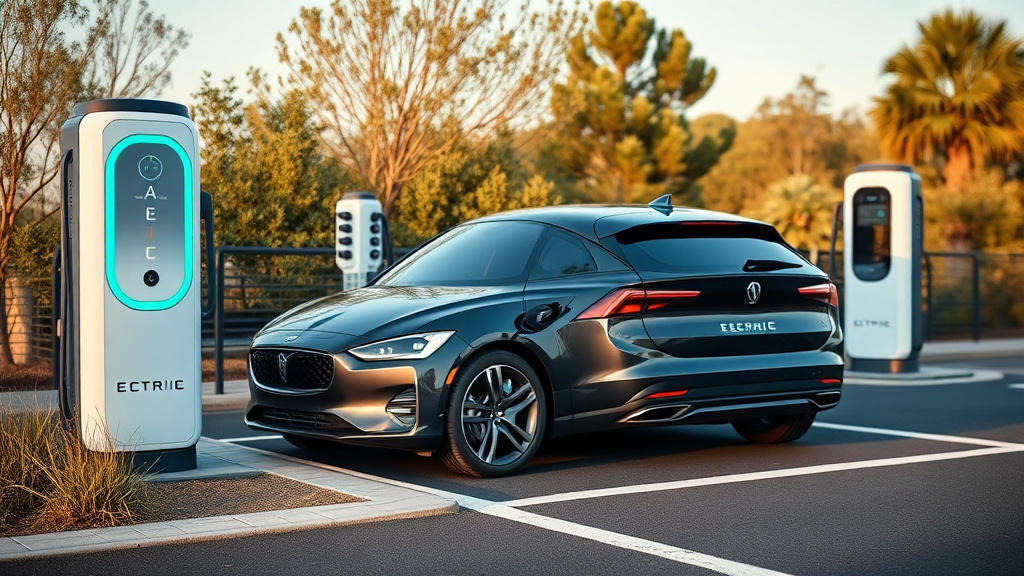
Electric vehicles have finally reached price parity with traditional petrol cars in Australia, with several models now available for under $30,000. If you're considering making the switch, you'll want...
The Lifetimes Australia editorial team curates, fact-checks, and updates guides on personal finance, property, health, immigration, legal, business, and lifestyle topics relevant to Lifetimes Australia readers. Articles are produced with AI assistance and reviewed by the editorial team before publication.
Electric vehicles have finally reached price parity with traditional petrol cars in Australia, with several models now available for under $30,000. If you're considering making the switch, you'll want to understand the real running costs, available incentives, and charging options that could save you thousands annually.
The Real Cost of Running an Electric Vehicle
One of the biggest advantages of going electric is the dramatic difference in fuel costs. Petrol prices in Australia averaged $1.85 to $2.10 per litre across capital cities in early 2026, with regional areas often paying 10 to 20 cents more. A typical sedan consuming 7 litres per 100 kilometres costs roughly $14 per 100 km to run on unleaded fuel.
Compare that to charging an electric car at home during off-peak hours. A typical EV consuming 18 kilowatt-hours per 100 kilometres costs you roughly $1.44 to $2.70 per 100 km when charging during cheaper periods. That's about five times cheaper than petrol.
Home Charging: The Most Affordable Option
Charging at home overnight using an off-peak electricity tariff costs between 8 and 15 cents per kilowatt-hour in most Australian states during 2026. For average driving of 15,000 kilometres per year, annual charging costs work out to approximately $500 to $750.
However, timing matters. Peak-hour charging at home jumps to 30 to 45 cents per kilowatt-hour depending on your retailer and state, pushing your cost per 100 kilometres to $5.40 to $8.10. This is still below petrol but three times higher than off-peak rates.
The good news? Smart charging schedules that automatically start when your tariff drops save EV owners $800 to $1,200 annually for average driving distances, without requiring any effort beyond the initial timer setup.
Public Fast Charging
If you're charging on the road, public fast chargers typically cost 40 to 60 cents per kWh, which works out to around $8 to $12 per 100 km. This is still well below petrol costs, though considerably more expensive than home charging.
Solar Power: Nearly Free Charging
If your household generates solar power, you can potentially reduce home charging costs to nearly zero during daylight hours. This option is becoming increasingly popular for Australian households looking to maximise their EV savings.
Affordable Electric Vehicles Available Now
The EV price war has officially hit Australia, with several budget-friendly models now available. Here's what you can buy in 2026:
Under $30,000
- BYD Atto 1 – Starting from $23,990 plus on-road costs, this is Australia's cheapest electric car. Available with either a 30kWh or 43.2kWh battery, it's perfect for urban settings with DC fast-charging from 10–80% in approximately 30 minutes.
- BYD Dolphin – Starting from $29,990 plus on-road costs.
$30,000–$40,000
- BYD Atto 2 – Starting at $31,990 plus on-road costs, this is the cheapest electric SUV in Australia.
- GWM Ora Lux – $35,990 drive-away with 126kW and 400km range.
- GWM Ora GT – $38,990 drive-away with 126kW and 380km range.
- MG4 – Starting from $36,990 drive-away.
All these EV models match or are lower than the price of traditional petrol small cars, including the Toyota Corolla ZR Hybrid ($38,120), Mazda 3 G25 Astina ($42,320), and Hyundai i30 Hatch N-Line Premium ($37,300).
Electric Utes
The cheapest electric ute in Australia is the new 2026 KGM Musso EV, priced from $60,000 drive-away. Both single-motor/2WD (152kW, 420km range) and dual-motor/4WD (266kW, 380km range) variants are available. An electric Toyota HiLux BEV will be launched in the first half of 2026, priced from less than $100,000, though this is targeting fleet customers rather than private buyers.
Government Incentives and Support
While the federal government previously offered tax benefits through novated leases, state-based incentives vary considerably. Here's what's currently available:
State Rebates
Queensland is leading the charge with a top rebate of $6,000 available, followed by Western Australia ($3,500) and Tasmania ($2,000). New South Wales, South Australia, and Victoria all previously offered rebate programs which closed in 2023.
Registration Savings
South Australia offers a three-year registration fee exemption for new battery electric and hydrogen fuel cell vehicles valued up to $68,750. In Queensland, EV registration remains the cheapest in the state (equivalent to a 1–3 cylinder vehicle), roughly $293 per year.
Novated Lease Benefits
If you're purchasing through a novated lease with federal FBT EV incentive, the savings are substantial. For a Tesla Model 3 RWD priced at $64,814, the total cost over 5 years through a novated lease is $74,028, compared to $89,239 through a standard car loan with a state rebate—a difference of $21,492.
Total Cost of Ownership: The Long-Term Picture
EVs avoid fuel costs that routinely exceed $2.00 per litre, while electricity for managed charging is often three to five times cheaper per kilometre. Maintenance and servicing costs are also materially lower, with fewer moving parts and reduced brake wear.
For vehicles travelling 15,000–20,000 km per year, these savings are sufficient to offset residual purchase price differences within the first few years of ownership. When you factor in lower servicing costs and reduced brake wear, the economics of going electric become increasingly compelling.
What's Coming in 2026
The EV market in Australia is expanding rapidly. More than 153 electric and plug-in electric vehicles were on sale in Australia during 2025, with many more scheduled to arrive in 2026. Several new models from BYD are launching this year, alongside the anticipated Toyota HiLux EV and Kia PV5 electric van.
This growing choice and more competitive pricing is welcome after years of supply constraints. Market forces are moving in the right direction, with car makers increasingly launching lower-priced models to comply with Australia's New Vehicle Efficiency Standard, which attaches financial costs to high-emitting vehicles.
Making the Switch to Electric
The case for going electric in Australia has never been stronger. With affordable models now available for under $30,000, home charging costs five times cheaper than petrol, and state-based incentives available in most areas, electric vehicles are becoming a practical choice for everyday Aussies.
If you're considering making the switch, start by checking what incentives are available in your state, then compare the total cost of ownership over five years rather than just the upfront price. Factor in your typical driving patterns—if you can charge at home during off-peak hours, your savings will be even more substantial.
Visit your state government's website to check current EV incentives, then contact local dealerships to arrange test drives. The EV market is moving fast, so the best time to explore your options is now.
Frequently Asked Questions
Sources & References
-
1
Electric Car Running Costs Australia: 2026 Cost Breakdown — nationalcover.com.au
-
2
The cheapest electric cars in Australia for 2026 - RACV — www.racv.com.au
-
3
Cheapest Electric Cars Australia 2026 | Zecar — zecar.com
-
4
EV Incentives Australia 2026 (State-By-State Guide) — www.novatedleaseaustralia.com.au
- 5
-
6
Charges and changes: electric car shifts coming in 2026 - CommBank — www.commbank.com.au
Related Articles
How to Get an Australian Driving Licence as a New Resident
I appreciate the detailed request, but I need to be transparent about a significant limitation: the search results provided don't contain information about how new residents obtain an Australian drivi...
How Much Does It Cost to Own a Car in Australia in 2026?
Ever wondered why your wallet feels lighter every time you fill up the tank or get that rego notice? Owning a car in Australia in 2026 isn't cheap—it's a big chunk of our household budgets, with natio...
Public Transport in Melbourne 2026: Myki Card and Network Guide
Navigating Melbourne's bustling public transport network just got easier in 2026, whether you're tapping on with a trusty Myki card, your bank card, or even enjoying free rides if you're under 18. Fro...
Public Transport in Sydney 2026: Opal Card, Costs, and Network
Navigating Sydney's bustling streets doesn't have to mean battling traffic or burning fuel. In 2026, our city's public transport network is more connected, efficient, and affordable than ever, thanks...