Petrol Prices in Australia: Why They Fluctuate and How to Find the Cheapest
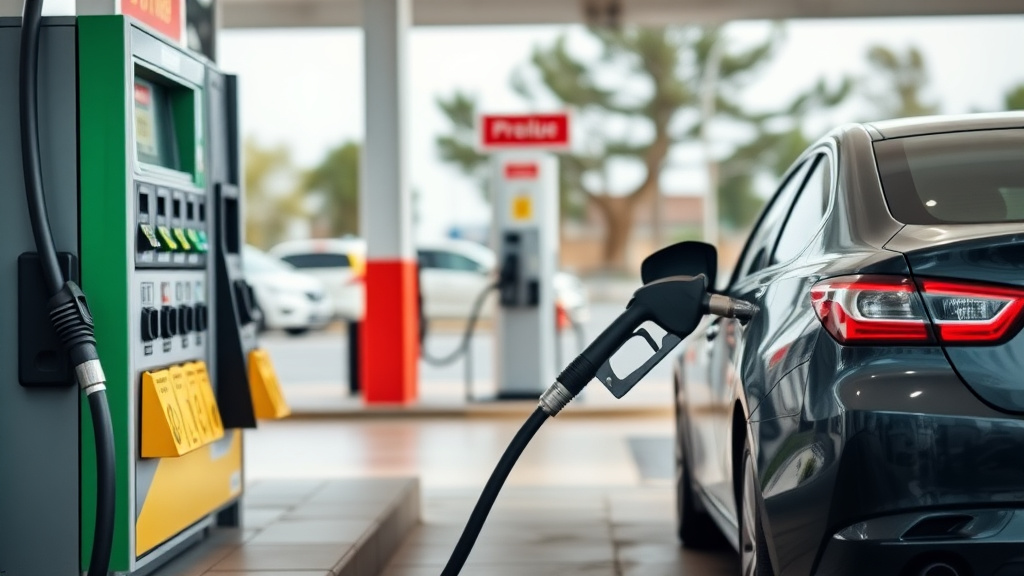
We've all felt that sting at the bowser when petrol prices spike unexpectedly, turning a quick fill-up into a budget headache. In 2026, with national averages hovering around 176.5 cents per litre and...
The Lifetimes Australia editorial team curates, fact-checks, and updates guides on personal finance, property, health, immigration, legal, business, and lifestyle topics relevant to Lifetimes Australia readers. Articles are produced with AI assistance and reviewed by the editorial team before publication.
We've all felt that sting at the bowser when petrol prices spike unexpectedly, turning a quick fill-up into a budget headache. In 2026, with national averages hovering around 176.5 cents per litre and some cities pushing past 190 cents, understanding why petrol prices in Australia fluctuate and how to snag the cheapest fuel is more crucial than ever for Aussie drivers.
From global oil dramas to local retail tricks, petrol pricing is a complex beast. This guide breaks it down, shares practical tips tailored to our cities and states, and arms you with tools to save dollars at the pump. Whether you're in Sydney dodging peak prices or hunting bargains in Perth, you'll find actionable advice here.
Why Do Petrol Prices in Australia Fluctuate So Much?
Petrol prices aren't random—they're driven by a mix of global forces, domestic policies, and clever retailer strategies. In early 2026, we've seen weekly swings from 173.9 to 186.8 cents per litre nationally, with cities like Melbourne dropping 18 cents in a single week while Sydney surged 15.5 cents. Here's the breakdown.
Global Oil Prices and Geopolitical Tensions
Crude oil, the raw ingredient for petrol, makes up about 40-50% of the pump price. Middle East conflicts in 2026 have jacked up benchmark prices by 20% since January, pushing Australian petrol towards record highs. When global crude jumps—as it did recently, adding 40 cents per litre—our prices follow suit within days.
Australia imports most of its fuel, so we're exposed to international shocks. The Australian Institute of Petroleum (AIP) notes our stocks are below the 90-day international benchmark at just 22 days in early 2026, amplifying price volatility. Forecasts suggest prices could trend to AUD 1.84 per litre by March, up 19.5% from a month ago.
Taxes and Government Levies
Excise duty is a big chunk—around 49 cents per litre for petrol in 2026, indexed twice yearly to the Consumer Price Index. Then there's the Goods and Services Tax (GST) at 10%, adding another layer. The ACCC monitors these, ensuring no gouging, especially amid 2026's Middle East tensions.
In the December 2025 quarter, average prices across five major cities hit 180.4 cents per litre, up 1.6 cents from the prior period, partly due to these fixed costs. Regional spots averaged 180.6 cents, showing even small tax tweaks ripple nationwide.
The Retail Price Cycle: Wholesale to Pump
Australia's petrol market runs on a "price cycle" where retailers stagger increases but drop prices together. Wholesale (Terminal Gate Price or TGP) changes lag into retail by days, creating peaks and troughs. For instance, week-ending 25 January 2026 saw national averages fall 2.8 cents to 176.5, but Perth held steady at 166.9 while Sydney hit 181.6.
Competition is fierce in cities, but less so regionally. The ACCC watches for "rocket and feather" pricing—quick rises, slow falls—and has ramped up scrutiny in 2026.
Currency Fluctuations and Local Factors
With the Aussie dollar weakening against the USD, imported fuel costs more. Trading Economics reports petrol at USD 1.22 per litre in February 2026, down slightly from January but still high historically. Local refinery closures and freight costs add pressure, especially in remote areas like the NT where highs reached 193.5 cents.
Current Petrol Prices Across Australia in 2026
As of early 2026, prices vary wildly by state. The AIP's weekly report for week-ending 25 January shows:
- National Average: 176.5 cpl (down 2.8 cents)
- Sydney: 181.6 cpl (up 15.5 cents, range 174.3-186.8)
- Melbourne: 181.6 cpl (down 18.0 cents, range 172.6-192.3)
- Brisbane: 183.1 cpl (down 15.8 cents)
- Adelaide: 164.5 cpl (up 6.3 cents—often the cheapest)
- Perth: 166.9 cpl (down 1.2 cents)
- Canberra: 186.5 cpl
By March, GlobalPetrolPrices pegged it at AUD 1.84 per litre nationally. Diesel averages 180.3 cpl, hitting utes like the Ford Ranger at $144 for an 80L tank. Check city-specific cycles: Sydney peaks mid-week, dips weekends.
How to Find the Cheapest Petrol in Australia
Don't pay full price—smart habits and apps can save you 20 cents per litre. Here's how Aussies are beating the cycle in 2026.
Use Fuel Price Comparison Apps and Websites
Apps like MotorMouth and PetrolSpy crowdsource real-time prices, showing the lowest within 5km. MotorMouth powers AIP data and flags cycles. FuelCheck in WA and VIC's FuelWatch are government-backed for those states.
Pro tip: Set alerts for drops—Adelaide stations often undercut at 163.1 cpl lows.
Time Your Fill-Ups with Price Cycles
Most capitals follow a Tuesday-to-Wednesday peak, dropping late-week. In Perth, fill Tuesdays before rises; Sydney, hunt Sundays. Avoid Mondays post-weekend rushes. Track via ACCC reports for your city.
Shop Around and Join Loyalty Programs
- Drive 2-5km for 10-20c savings—worth it for big tanks.
- Coles Express, BP Rewards, or Ampol offer points or discounts.
- Caltex/Woolworths apps give 4c off with linked cards.
In regional areas, independents like independent servo chains beat majors.
Maximise Fuel Efficiency
Stretch your tank with these tips from experts:
- Keep tyres inflated (saves 5-10% fuel)
- Avoid idling; use eco-drive modes
- Lighten loads—no roof racks unless needed
- Service regularly; clean air filters boost MPG
- Combine trips to cut cold starts
Practical Tips to Save on Petrol Long-Term
Beyond the pump:
- Switch to efficient cars: Hybrids like Toyota RAV4 cost $95 for 55L at 172.9 cpl.
- Public transport or carpool: Use Opal/Myki/Go card concessions via Transport for NSW or PTV.
- Fuel cards for fleets: Businesses, check ATO deductions.
- Monitor ACCC alerts: Report price gouging at accc.gov.au.
Next Steps to Slash Your Fuel Bills
Download PetrolSpy or MotorMouth today, map your local cycle, and tweak driving habits. Track AIP weekly reports and ACCC updates to stay ahead. Small changes—like filling in Adelaide-style lows or efficient driving—add up to hundreds yearly. Drive smart, save big, and keep more cash for the things that matter.
Frequently Asked Questions
Sources & References
-
1
AIP Weekly Petrol Prices Report - 25 January 2026 — www.aip.com.au
-
2
Petrol and diesel prices could hit record highs as Australia's fuel stocks remain short — www.carexpert.com.au
-
3
Australia Gasoline Prices - Trading Economics — tradingeconomics.com
-
4
Australia gasoline prices - GlobalPetrolPrices.com — www.globalpetrolprices.com
-
5
Eight ways to make your fuel go further as petrol prices surge — www.sbs.com.au
-
6
ACCC keeping a close eye on petrol market amid Middle East conflict — www.accc.gov.au
-
7
Fuel price surge threatens inflation and interest rates | 7NEWS — www.youtube.com
Related Articles
How to Get an Australian Driving Licence as a New Resident
I appreciate the detailed request, but I need to be transparent about a significant limitation: the search results provided don't contain information about how new residents obtain an Australian drivi...

How Much Does It Cost to Own a Car in Australia in 2026?
Ever wondered why your wallet feels lighter every time you fill up the tank or get that rego notice? Owning a car in Australia in 2026 isn't cheap—it's a big chunk of our household budgets, with natio...
Public Transport in Melbourne 2026: Myki Card and Network Guide
Navigating Melbourne's bustling public transport network just got easier in 2026, whether you're tapping on with a trusty Myki card, your bank card, or even enjoying free rides if you're under 18. Fro...
Public Transport in Sydney 2026: Opal Card, Costs, and Network
Navigating Sydney's bustling streets doesn't have to mean battling traffic or burning fuel. In 2026, our city's public transport network is more connected, efficient, and affordable than ever, thanks...