Toll Roads in Australia: How They Work and How to Register
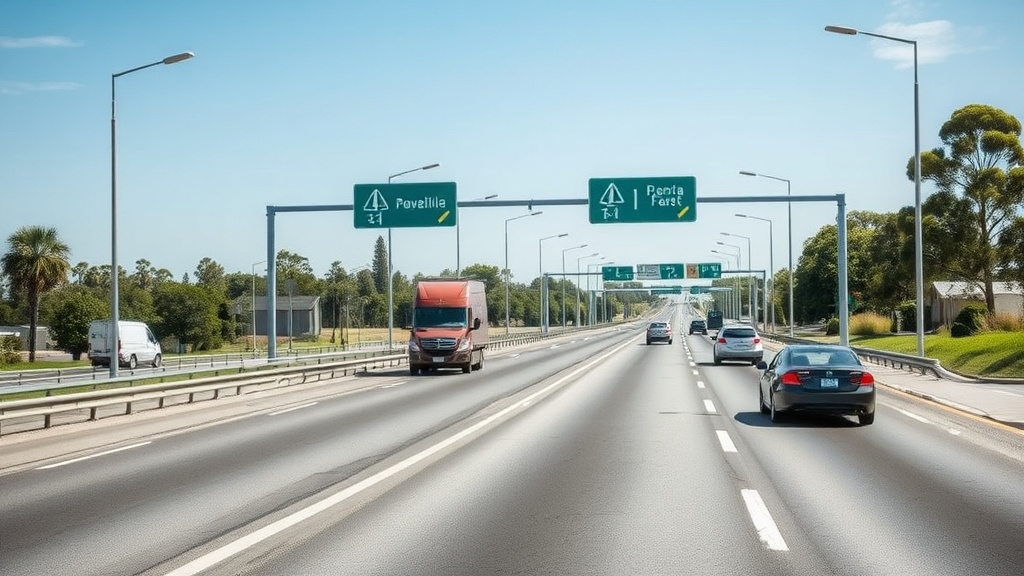
Australia's toll road network might seem confusing at first, especially if you're new to driving here or travelling interstate. Unlike many countries, we don't have cash toll booths—everything's elect...
The Lifetimes Australia editorial team curates, fact-checks, and updates guides on personal finance, property, health, immigration, legal, business, and lifestyle topics relevant to Lifetimes Australia readers. Articles are produced with AI assistance and reviewed by the editorial team before publication.
Australia's toll road network might seem confusing at first, especially if you're new to driving here or travelling interstate. Unlike many countries, we don't have cash toll booths—everything's electronic. Whether you're commuting through Sydney, Melbourne, or Brisbane, understanding how tolls work and how to register will save you money, stress, and unexpected penalties.
How Australian Toll Roads Work
Australia operates three separate toll systems, each managed by different operators across different states. The good news? Modern toll tags work across all Australian toll roads, so once you're set up, you can travel interstate without hassle.
The Electronic Tolling System
All Australian toll roads operate on 100% electronic payment. There are no cash toll booths anywhere in the country—every toll is collected electronically using one of three methods:
- E-TAG transponders: RFID devices mounted on your windscreen that communicate with toll readers
- License plate recognition: Automatic number plate recognition (ANPR) cameras that identify your vehicle
- LinktGO GPS: GPS-based technology for tracking toll road usage
When you drive through a toll zone, the system automatically deducts the fee from your linked account. If you don't have an active toll account, you'll receive a penalty notice.
Which States Have Toll Roads?
Toll roads exist in only three Australian states:
- New South Wales: 13+ toll roads, primarily around Sydney
- Victoria: 3 operational toll roads around Melbourne (with more opening in 2025-2026)
- Queensland: 7 toll roads centred around Brisbane
Western Australia, South Australia, Tasmania, Northern Territory, and the Australian Capital Territory are completely toll-free.
Toll Costs in Australia (2026)
Sydney Toll Roads
Sydney has the most extensive toll network in Australia. The $60 weekly toll cap is now permanent as of 2026. This means you'll pay a maximum of $60 per week on tolls, or up to $400 per tag or licence plate linked to your account, with an annual limit of $5,000.
Key Sydney tolls include:
- Sydney Harbour Bridge: $4.41 during peak times, with time-of-day pricing
- Sydney Harbour Tunnel: Companion crossing to the Harbour Bridge
- M7, M4, M5: Major motorways with regular quarterly adjustments
Important note: From 2028, a two-way toll will be introduced on the Sydney Harbour Bridge, meaning you'll pay tolls in both directions for the first time.
Melbourne Toll Roads
Melbourne has three main toll roads, with prices adjusted quarterly:
- CityLink: $10.36 for the entire 22km route (Tullamarine to South Melbourne)
- EastLink: Connects Eastern Freeway to Frankston Freeway (39km)
- West Gate Tunnel: Newly opened, with peak-hour tolls of $10.63 (7:00am–9:00am weekdays)
Importantly, CityLink and EastLink are separate systems—a CityLink pass doesn't work on EastLink.
Brisbane Toll Roads
Queensland's 7 toll roads are Brisbane-focused and offer night and weekend discounts, making them more affordable for off-peak travel.
How to Register for Toll Roads
Step 1: Choose Your Payment Method
You have several options depending on which roads you use:
- Linkt: Works nationwide across NSW, VIC, and QLD
- E-Toll: Works nationwide
- Go Via: Works nationwide
- State-specific systems: If you only use roads in one state
For interstate travel, Linkt is the most convenient option as it works on all Australian toll roads.
Step 2: Register Your Account
The registration process varies slightly depending on which operator you choose:
- Visit the operator's website (Linkt, E-Toll, or Go Via)
- Provide your vehicle registration details
- Add your payment method (credit card, debit card, or bank account)
- Choose between a tag-based or plate-based account
Step 3: Install Your E-TAG (If Applicable)
If you opt for an E-TAG transponder, the operator will post it to you. Installation is simple—it adheres to your windscreen and communicates with toll readers as you pass through.
Step 4: Link Your Payment Method
Once registered, tolls are automatically deducted from your linked account. You'll receive statements showing your toll usage and costs.
Avoiding Penalties and Extra Costs
Non-Payment Penalties
If you drive through a toll zone without an active account, you'll receive a penalty notice. Penalties for non-payment range from $10–$20 per trip plus the toll amount.
In NSW alone, 46 million toll notices—totalling $618 million in administration fees—were issued in the 2024–2025 financial year for unpaid tolls. The NSW Government is negotiating with private toll road operators to scrap these administration fees from mid-2026.
Administration Fees
Some states charge administration fees on top of the toll itself. Watch for upcoming changes—NSW is pushing to eliminate these fees as part of its motorist-first policy.
Toll Compensation and Rebates
Eligible NSW drivers can claim toll compensation. Since January 2024, more than $211.4 million has been returned to drivers' wallets. Check if you're eligible on the NSW Government website.
Tips for Saving Money on Tolls
- Use off-peak times: Queensland toll roads offer night and weekend discounts
- Plan your route: Some roads are more expensive than others—use a toll calculator before your trip
- Set up automatic payments: Avoid missing payments and incurring penalties
- Check for eligibility: NSW drivers earning under certain thresholds may qualify for toll compensation
- Use a nationwide tag: If you travel interstate, Linkt saves you the hassle of multiple registrations
Your Next Steps
If you're planning to drive on Australian toll roads, register for a nationwide toll account today. Visit Linkt.com.au, the E-Toll website, or Go Via to set up your account—it's free and takes just minutes. Once registered, you'll have peace of mind knowing you're compliant and won't face unexpected penalties. Safe travels!
Frequently Asked Questions
Sources & References
- 1
-
2
Linkt — Quarterly toll price update for January 2026 — www.linkt.com.au
-
3
Drive — Costly commute: These are Australia's most expensive toll roads — www.drive.com.au
-
4
Sunrise (YouTube) — Sydney Harbour Bridge gets two-way tolls — www.youtube.com
-
5
Toll Road Calculator — Complete Guide to Australian Toll Roads in 2025 — tollroadcalculator.com
Related Articles

How to Get an Australian Driving Licence as a New Resident
I appreciate the detailed request, but I need to be transparent about a significant limitation: the search results provided don't contain information about how new residents obtain an Australian drivi...

How Much Does It Cost to Own a Car in Australia in 2026?
Ever wondered why your wallet feels lighter every time you fill up the tank or get that rego notice? Owning a car in Australia in 2026 isn't cheap—it's a big chunk of our household budgets, with natio...
Public Transport in Melbourne 2026: Myki Card and Network Guide
Navigating Melbourne's bustling public transport network just got easier in 2026, whether you're tapping on with a trusty Myki card, your bank card, or even enjoying free rides if you're under 18. Fro...

Public Transport in Sydney 2026: Opal Card, Costs, and Network
Navigating Sydney's bustling streets doesn't have to mean battling traffic or burning fuel. In 2026, our city's public transport network is more connected, efficient, and affordable than ever, thanks...