How to Apply for Solar Rebates and Incentives in Australia
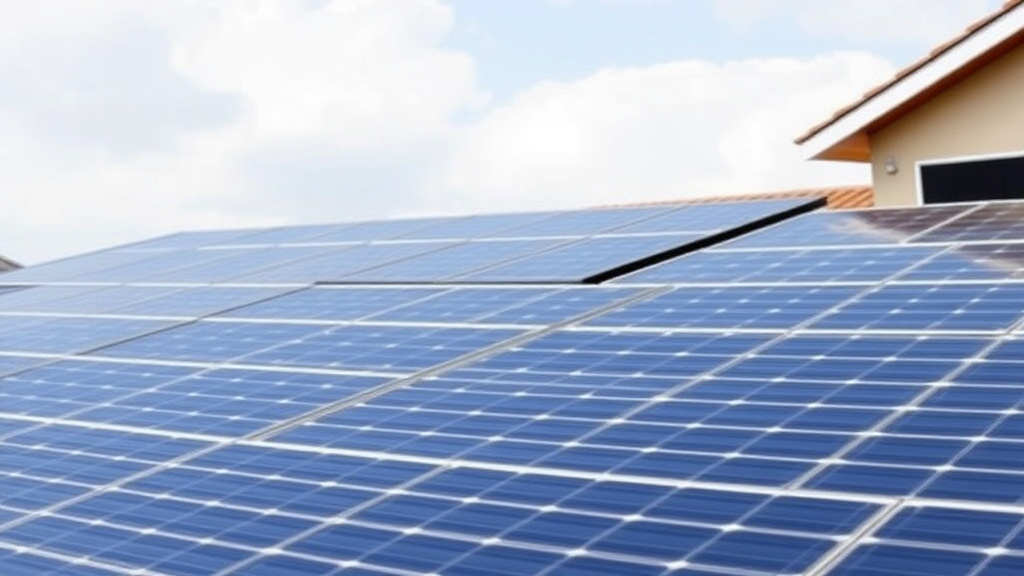
Imagine slashing your power bills while doing your bit for the planet—all without breaking the bank. In 2026, Australia's solar rebates and incentives make it easier than ever for Aussies to go solar,...
The Lifetimes Australia editorial team curates, fact-checks, and updates guides on personal finance, property, health, immigration, legal, business, and lifestyle topics relevant to Lifetimes Australia readers. Articles are produced with AI assistance and reviewed by the editorial team before publication.
Imagine slashing your power bills while doing your bit for the planet—all without breaking the bank. In 2026, Australia's solar rebates and incentives make it easier than ever for Aussies to go solar, with federal schemes like the Small-scale Renewable Energy Scheme (SRES) and the expanded Cheaper Home Batteries Program leading the charge. These programs, combined with state-specific perks, can cut upfront costs by thousands, turning rooftop dreams into reality for households nationwide.
Whether you're in sunny Queensland, urban Sydney, or regional Victoria, understanding how to apply for solar rebates and incentives in Australia is key to maximising savings. We'll walk you through the federal backbone, state add-ons, eligibility rules, and step-by-step application processes, all updated for 2026. Let's dive in and get you powered up.
Federal Solar Rebates: The Foundation of Savings
Australia's federal government anchors solar support through two powerhouse programs: the Small-scale Renewable Energy Scheme (SRES) for panels and the Cheaper Home Batteries Program for storage. These aren't means-tested, so they're open to homeowners, small businesses, and even community facilities across the country.
Small-scale Renewable Energy Scheme (SRES) and STCs
The SRES trades Small-scale Technology Certificates (STCs)—one STC per megawatt-hour of expected renewable energy over the system's life. Installers create and sell these STCs, passing the discount straight to you as a lower upfront price. For a typical 6.6kW system, expect $1,500–$2,000 off in 2026, with larger setups attracting more.
- Eligibility: New solar PV systems under 100kW, installed by Clean Energy Council (CEC)-accredited installers using approved panels and inverters.
- How it works: Rebate value decreases annually to reflect falling panel costs—act fast for maximum STCs.
- Pro tip: Get multiple quotes; installers handle STC claims via the REC Registry, so you see the rebate on your quote.
Cheaper Home Batteries Program
This federal gem rebates batteries paired with new or existing solar, offering ~$311 per usable kWh up to 50kWh (Jan–Apr 2026). A 10kWh battery could save $3,110, dropping its net cost from $11,120 to around $8,010. From 1 May 2026, funding jumps to $7.2 billion, but rebates step down every six months (e.g., from 8.4 STCs/kWh in 2026 to 2.1 by 2030), tapering for bigger batteries.
- Eligibility: Batteries 5–100kWh nominal capacity, one per meter, installed by CEC pros.
- Stackable: Yes, with state incentives in NSW and WA.
- Changes ahead: Faster reductions post-May 2026 reward early adopters.
Both federal rebates are point-of-sale discounts—no paperwork hassles for you.
State and Territory Solar Incentives
Federal perks stack beautifully with state schemes, amplifying savings. Here's the 2026 rundown by region.
Victoria: Solar and Battery Boosts
Victoria targets panels and batteries with dedicated rebates. Low-income households get extra help via targeted programs.
- Solar panel rebates for eligible homes.
- Battery rebates to pair with your array.
- Feed-in tariffs (FiTs) paying for excess power (rates vary by retailer).
New South Wales (NSW): Low-Income and FiT Support
NSW's Solar for Low-Income Households offers discounts for concession card holders. Stack with federal rebates and FiTs (check your retailer's rate).
South Australia (SA): STC-Focused with Extras
SA leans on federal STCs (~$1,800 off a 6.6kW system), plus feed-in payments. Ensure new panels and CEC installers for eligibility.
Australian Capital Territory (ACT): Comprehensive Package
ACT delivers federal access plus:
- Home Energy Support rebate: Up to $2,500 off solar, heat pumps, or insulation for concession holders.
- Sustainable Household Scheme: 3% interest loans up to $15,000 for batteries or EVs.
- EV perks: Free rego and no stamp duty for two years.
Other States: QLD, WA, TAS
Queensland and WA offer battery stacking; Tasmania has interest-free loans for upgrades. Local councils nationwide may chip in too—check yours.
| State/Territory | Key Incentive | Estimated Savings (2026) |
|---|---|---|
| Victoria | Solar/Battery Rebates | $1,000–$3,000+ |
| NSW | Low-Income Solar | Up to 50% off for eligible |
| SA | STC + FiTs | $1,800 (6.6kW) |
| ACT | Energy Support + Loans | $2,500 + $15k loan |
Step-by-Step: How to Apply for Solar Rebates
Applying is straightforward—your CEC-accredited installer does the heavy lifting. Here's your actionable guide:
- Assess your needs: Use online calculators for system size (e.g., 6.6kW average home). Factor in roof space, usage, and battery add-ons.
- Get 3+ quotes: Compare CEC-approved installers via SolarQuotes or Clean Energy Council directory. Rebates show on quotes.
- Check eligibility: Confirm postcode, system specs, and stacking options via Clean Energy Regulator.
- Sign and install: Installer claims STCs/battery certificates, applies discount at purchase.
- Activate FiTs: Update your retailer post-install for export payments.
- Claim extras: For state rebates, submit via government portals (e.g., Access Canberra for ACT).
Practical tip: Install before May 2026 for peak battery rebates—delays mean less savings.
Additional Incentives: Loans, FiTs, and More
Beyond rebates:
- Feed-in Tariffs: Earn 4–10c/kWh for excess solar (ACT example).
- Interest-free loans: For upgrades in TAS, ACT, and locally.
- Solar hot water rebates: Federal and state support for efficient systems.
- Council grants: Vary by LGA—search your local site.
Next Steps to Solar Savings
Ready to apply? Grab quotes today, verify your state's extras, and lock in before rebates taper. With federal support holding strong and states piling on, 2026 is prime time for Aussie homes to harness the sun. Visit the Clean Energy Regulator or your state energy site for personalised tools—your lower bills (and greener future) await.
Frequently Asked Questions
Sources & References
-
1
Top 10 Solar Rebates and Incentives Available in Australia in 2026 — ramselecsolar.com.au
-
2
Federal Government Solar Battery Rebate Explained (2026) — www.solarchoice.net.au
-
3
Solar Panel Rebate 2026: How It Works - Solar Calculator — solarcalculator.com.au
-
4
Australia's $7.2B Solar Battery Rebate Guide (2026–2030) — energysolutioncentre.com.au
-
5
Solar Rebate SA 2026: What You Need to Know | EcoFlow AU — homebattery.ecoflow.com
-
6
Federal Battery Rebate: A Complete Guide - SolarQuotes — www.solarquotes.com.au
-
7
Australia Battery Rebate Changes 2026: What's Different and How — gridless.com.au
Related Articles
Battery Storage for Solar in Australia: Is It Worth It in 2026?
Imagine powering your home through a scorching Aussie summer evening blackout, all from the sun you captured that day. With solar panels already a staple on rooftops across Australia, adding battery s...
Water Restrictions and Bills in Australia: State-by-State Guide
With our scorching Aussie summers and unpredictable rainfall, keeping tabs on water restrictions and bills has never been more crucial. Whether you're in the bustling streets of Sydney or the quiet su...
Electricity Concessions and Rebates in Australia by State
Struggling with skyrocketing power bills? You're not alone—across Australia, households are feeling the pinch from rising energy costs in 2026. But here's the good news: electricity concessions and re...
How to Reduce Your Gas Bill in Australia
Gas bills hitting your wallet harder than a Sydney summer storm? You're not alone—Australian households are feeling the pinch from rising energy costs in 2026, but the good news is there are practical...