Water Restrictions and Bills in Australia: State-by-State Guide
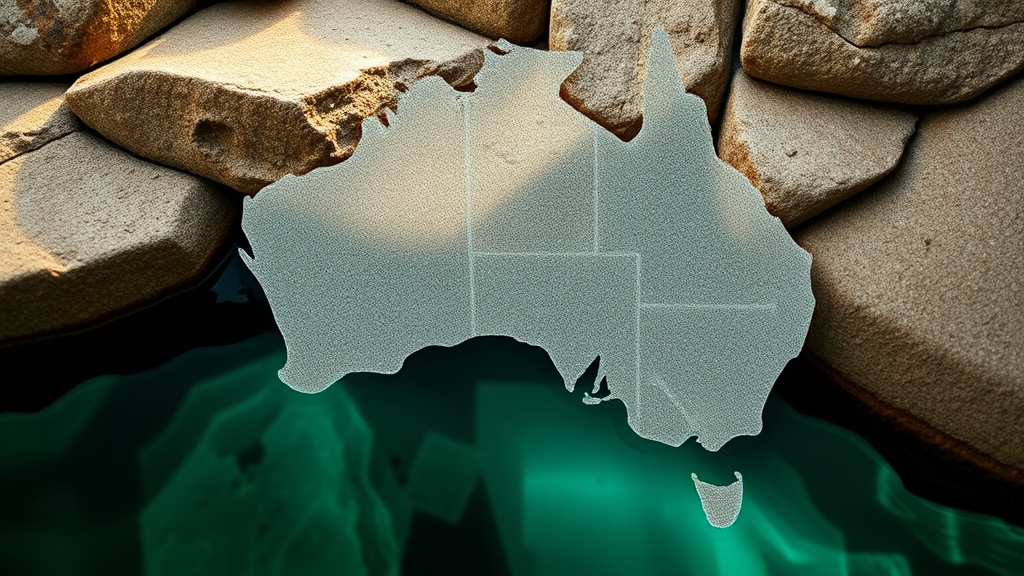
With our scorching Aussie summers and unpredictable rainfall, keeping tabs on water restrictions and bills has never been more crucial. Whether you're in the bustling streets of Sydney or the quiet su...
The Lifetimes Australia editorial team curates, fact-checks, and updates guides on personal finance, property, health, immigration, legal, business, and lifestyle topics relevant to Lifetimes Australia readers. Articles are produced with AI assistance and reviewed by the editorial team before publication.
With our scorching Aussie summers and unpredictable rainfall, keeping tabs on water restrictions and bills has never been more crucial. Whether you're in the bustling streets of Sydney or the quiet suburbs of Darwin, understanding your state's rules can save you money, avoid fines, and help conserve this precious resource for everyone.
As we head into 2026, water storages across Australia are under pressure from below-average rainfall and rising demand. This state-by-state guide breaks down the latest on restrictions, billing structures, and practical tips tailored for Aussies, so you can stay compliant and cut costs right now.
Why Water Restrictions and Bills Matter in Australia
Australia's dry climate means we're no strangers to water challenges. The Bureau of Meteorology tracks restrictions nationwide, with rules varying by local conditions and agencies. Permanent water-saving measures are in place in many areas, even without formal restrictions, to stretch supplies further.
Bills typically include a fixed service charge plus usage-based tariffs, often tiered to encourage conservation—use more, pay more. In 2026, expect average quarterly residential bills around $200–$400 depending on your state and usage, but smart habits can slash that.
Water Restrictions and Bills: State-by-State Breakdown
Here's the rundown for each state and territory, focusing on 2026 conditions, current restrictions (or lack thereof), billing info, and local resources. Check your water authority's site for postcode-specific details, as rules can change with weather.
New South Wales (NSW)
NSW relies heavily on the Murray-Darling Basin, where 2026 water reforms continue to shape allocations. Sydney Water and regional providers like Hunter Water enforce permanent rules: no hosing hard surfaces, trigger nozzles for hoses, and timed sprinkler use (before 10am or after 4pm).
Restrictions ramp up in dry spells—Stage 1 might limit lawn watering to specific days. Bills average $250 quarterly for 200kL usage; tiered rates jump after 150kL. Use the Sydney Water app for real-time usage tracking and rebates on water-efficient fixtures.
- Tip: Install a rainwater tank for garden use—eligible for state rebates up to $1,000.
- Current status (2026): No widespread restrictions, but monitor via Sydney Water.
Victoria
Victoria's storages sit at 75% for Greater Melbourne but trend 12% lower year-on-year, making conservation key. Permanent Saving Water rules apply statewide: leak-free hoses with triggers, no sprinklers 10am–6pm, and brooms over hoses for paths.
No restrictions expected in Melbourne for 2026, but regional areas hover at 57% capacity. Yarra Valley Water bills start at a $50 fixed charge plus $2.50/kL; averages $220 quarterly. The desal plant supplies 50 billion litres annually, buffering demand.
- Tip: Sign up for free water audits from your provider to spot leaks.
- Resource: Annual Water Outlook on Water Victoria.
Queensland (QLD)
SEQ Water and regional bodies like Sunwater manage supplies amid variable rainfall. Permanent rules ban daytime sprinkling and hosing streets. In 2026, Brisbane dams are stable post-2025 rains, but target 175L/person/day usage.
Bills feature fixed ($60–$80) and variable rates ($2.80/kL first tier). Quarterly averages hit $280 for families. Drought rebates fund infrastructure.
- Tip: Mulch gardens to cut evaporation by 70%—check Seqwater for bulk mulch days.
- Current status: Level 1 restrictions in some outback areas; verify locally.
South Australia (SA)
Adelaide's supplies depend on the River Murray, with 2026 reforms enhancing trading transparency. Permanent restrictions: odd/even sprinkler days, no hosing paths. Bills via SA Water average $290 quarterly, with progressive tiers post-180kL.
Groundwater limits cap abstraction at 10% recharge in some areas.
- Tip: Retrofit dual-flush toilets for 30% savings—rebates available.
- Resource: SA Water restriction map.
Western Australia (WA)
Perth's scheme uses deep groundwater and desalination. Stage 1 rules (ongoing in 2026): buckets or triggers for cars/gardens, micro-sprays only. Water Corporation bills: $68 fixed + $1.99/kL, averaging $260.
- Tip: Use greywater systems for toilets—subsidies up to $5,000.
- Current status: Permanent restrictions; no escalations forecast.
Tasmania (TAS)
TasWater manages plentiful but regulated supplies. Stage 1 (as of 2026): timed watering (midnight–4am auto, 6–8am/8–10pm manual), trigger hoses anytime. Pools over 2,000L need exemptions.
Bills lower at $180 quarterly average, fixed $40 + $2.20/kL.
- Tip: Harvest rainwater—mandatory for new builds in some areas.
- Resource: TasWater exemptions portal.
Australian Capital Territory (ACT)
Icon Water enforces Base Flows and environmental protections under 2026 guidelines: 80th percentile monthly flows, 10% abstraction limit on high flows. Urban rules mirror Stage 1: timed hoses, no wasteful uses.
Bills around $240 quarterly; check for LTWP updates.
- Tip: Limit Lake Burley Griffin drawdown awareness—0.6m max.
Northern Territory (NT)
Power and Water (PowerWater) focuses on Darwin and remote supplies. Permanent rules: no sprinklers daytime, triggers required. Bills $220 average, with community programs for arid zones.
- Tip: Solar pumps for bores in rural areas.
How Water Bills Work Across Australia
Most providers use a two-part tariff: fixed supply charge ($50–$100/quarter) covers pipes/meters, variable ($1.80–$3.00/kL) tracks usage. Tiered pricing penalises excess—e.g., Victoria's second tier 160% higher.
| State | Avg Quarterly Bill (200kL) | Fixed Charge | Base Rate/kL |
|---|---|---|---|
| NSW | $250 | $70 | $2.50 |
| VIC | $220 | $50 | $2.50 |
| QLD | $280 | $70 | $2.80 |
| SA | $290 | $75 | $2.60 |
| WA | $260 | $68 | $1.99 |
| TAS | $180 | $40 | $2.20 |
| ACT | $240 | $65 | $2.40 |
| NT | $220 | $60 | $2.30 |
Concessions via Centrelink reduce bills 17.5% for eligible Aussies.
Practical Tips to Cut Your Water Bill and Comply with Restrictions
- Fix leaks: A dripping tap wastes 60L/day—call your provider for free checks.
- Short showers: 4 minutes saves 50L each.
- Full loads: Washing machines/dishwashers use 1/3 less water.
- Outdoor smarts: Drip irrigation over sprinklers cuts use 50%.
- Monitor usage: Apps from providers alert high consumption.
- Rebates: Greywater, tanks, efficient toilets—up to $10,000 back.
Stay Ahead of the Dry: Your Next Steps
Head to your state water authority's website today, sign up for alerts, and run a home water check. Small changes like these not only trim your bill but secure water for our kids' barbecues down the track. With tools like the BOM restrictions finder and local rebates, you're set to save—get started now!
Frequently Asked Questions
Sources & References
-
1
Water Resources Environmental Flow Guidelines 2026 — www.legislation.act.gov.au
-
2
Water Restrictions: Bureau of Meteorology — www.bom.gov.au
-
3
Water Amendment Regulations 2026 and Water Markets Data Standards — consult.dcceew.gov.au
-
4
Outlook shows why saving water is crucial for 2026 and beyond — www.water.vic.gov.au
-
5
2026 Water Reform: Key Issues and Updates for Growers — cottonaustralia.com.au
- 6
Useful Tools
Related Articles
Battery Storage for Solar in Australia: Is It Worth It in 2026?
Imagine powering your home through a scorching Aussie summer evening blackout, all from the sun you captured that day. With solar panels already a staple on rooftops across Australia, adding battery s...
Electricity Concessions and Rebates in Australia by State
Struggling with skyrocketing power bills? You're not alone—across Australia, households are feeling the pinch from rising energy costs in 2026. But here's the good news: electricity concessions and re...
How to Reduce Your Gas Bill in Australia
Gas bills hitting your wallet harder than a Sydney summer storm? You're not alone—Australian households are feeling the pinch from rising energy costs in 2026, but the good news is there are practical...
How to Apply for Solar Rebates and Incentives in Australia
Imagine slashing your power bills while doing your bit for the planet—all without breaking the bank. In 2026, Australia's solar rebates and incentives make it easier than ever for Aussies to go solar,...