How to Save Money on Electricity Bills in Australia
Electricity bills in Australia are hitting households hard in 2026, with rising costs leaving many Aussies feeling the pinch. But you don't have to accept sky-high power prices—simple changes and smar...
The Lifetimes Australia editorial team curates, fact-checks, and updates guides on personal finance, property, health, immigration, legal, business, and lifestyle topics relevant to Lifetimes Australia readers. Articles are produced with AI assistance and reviewed by the editorial team before publication.
Electricity bills in Australia are hitting households hard in 2026, with rising costs leaving many Aussies feeling the pinch. But you don't have to accept sky-high power prices—simple changes and smart strategies can slash your bill by hundreds of dollars a year, putting money back in your pocket.
Whether you're in steamy Queensland or chilly Tasmania, these practical tips draw on the latest trends like the new Solar Sharer Offer and proven habits that work across the country. Let's dive into how you can take control and save big.
Understand Your Electricity Bill and Why It's Rising
Before slashing costs, get a grip on what drives your bill. Australian households face climbing prices due to grid pressures, declining feed-in tariffs, and the end of rebates like the $450 annual energy relief that's now axed. Average annual spends vary: Canberrans pay around $2,414, while Hobart folk manage $1,338—but switching plans could save up to $382 in Canberra or $109 in Tasmania.
Your bill breaks down into usage (kWh), supply charges, and peak/off-peak rates. Track yours via your provider's app or billcutters.com.au-style comparison tools to spot waste. In 2026, with solar and battery uptake surging, understanding these helps maximise incentives like the upcoming 3-hour free daytime electricity under the Solar Sharer Offer.
Shop Around and Switch Providers
The quickest win? Compare and switch. Many Aussies overpay by hundreds because they stick with outdated plans. Providers must tell you about cheaper options, plus offer payment plans or hardship support. Use sites like Australian Bill Cutters to compare electricity, gas, and even internet side-by-side—no paperwork needed.
- Lock in lower rates and promotions early in the year.
- Target state-specific savings: $311 in Adelaide, $300 in Brisbane.
- Check for EV-friendly plans with overnight charging discounts.
Switching is painless and can cut costs immediately—households report saving 20-30% on average.
Everyday Habits to Cut Usage Instantly
Small tweaks add up fast. Start with these no-cost changes that Aussie homes are using to trim bills without lifestyle upheaval.
Master Standby Power and Appliance Smarts
Phantom load from standby appliances guzzles 10% of your bill. Unplug TVs, chargers, and gaming consoles or use power strips. Wash in cold water, air-dry clothes, and run full loads only—saves up to 80% on laundry energy.
Time dishwasher and washing machine cycles for off-peak hours, especially under the new 3-hour free electricity window in 2026. For working families, this might not align perfectly, but pairing with solar storage makes it viable.
Optimise Heating, Cooling, and Lighting
Heating and cooling eat 40-50% of bills in Australia. Set air con to 24°C in summer—each degree lower adds 10% to costs. Use ceiling fans (just cents per hour) and heavy curtains or honeycomb blinds to block heat.
Switch to LEDs: they use 80% less energy than halogens and last longer. For 20 downlights on 4 hours daily, save hundreds yearly. Maximise natural light with motion sensors or dimmers at night.
- Seal gaps around doors/windows to keep cool in summer, warm in winter.
- Use zoning and programmable thermostats for efficiency.
Upgrade Your Home for Long-Term Savings
Invest a little now for big returns. These upgrades pay off quickly in Australia's variable climate.
Boost Insulation and Passive Design
Poor insulation wastes energy. Add pelmets, blinds, or shading to control temperature passively—no extra power needed. Ceiling fans plus insulation can halve air con reliance.
Go Solar and Add Batteries
Rooftop solar remains a top saver, but batteries are the 2026 game-changer as feed-in tariffs drop. Store daytime solar (or free Solar Sharer power) for evenings—essential for non-daylight users. Systems like EcoFlow PowerOcean suit standard homes, bridging solar generation and night needs.
First optimise habits and insulation for best solar ROI. More Aussies are adding batteries for grid independence.
Leverage 2026 Government Incentives and Trends
Australia's pushing renewables hard. The Solar Sharer Offer gives eligible homes 3 hours free daytime power from 2026—shift usage like laundry to maximise it, or store with batteries.
Look for state rebates, carbon-neutral plans, and EV incentives. Sustainability-focused retailers offer renewable options that align price with values. Track usage via apps to stay on-plan.
Next Steps to Lower Your Bill Today
Start simple: audit your bill, unplug standbys, and compare providers this week. Then tackle LEDs, habits, and insulation. For big wins, explore solar+batteries and the Solar Sharer Offer. Track progress monthly—you'll see savings stack up, giving you more for what matters. Your lower bill starts now.
Frequently Asked Questions
Sources & References
-
1
How to Save Electricity in Australia: Proven Bill-Reducing Tips — homebattery.ecoflow.com
-
2
How Australian Households Can Save More in 2026 — billcutters.com.au
-
3
What Aussies should do after $450 energy bill 'shock absorber' axed — www.sbs.com.au
-
4
What to Know About the 3-Hour Free Electricity Offer | VoltX Energy — voltxenergy.com.au
-
5
How to Reduce Power Bills in 2026 - Superior Energy Rating — www.superiorenergyrating.com.au
-
6
5 energy trends to watch in 2026 (and how they affect your bills) — www.mynrma.com.au
Related Articles
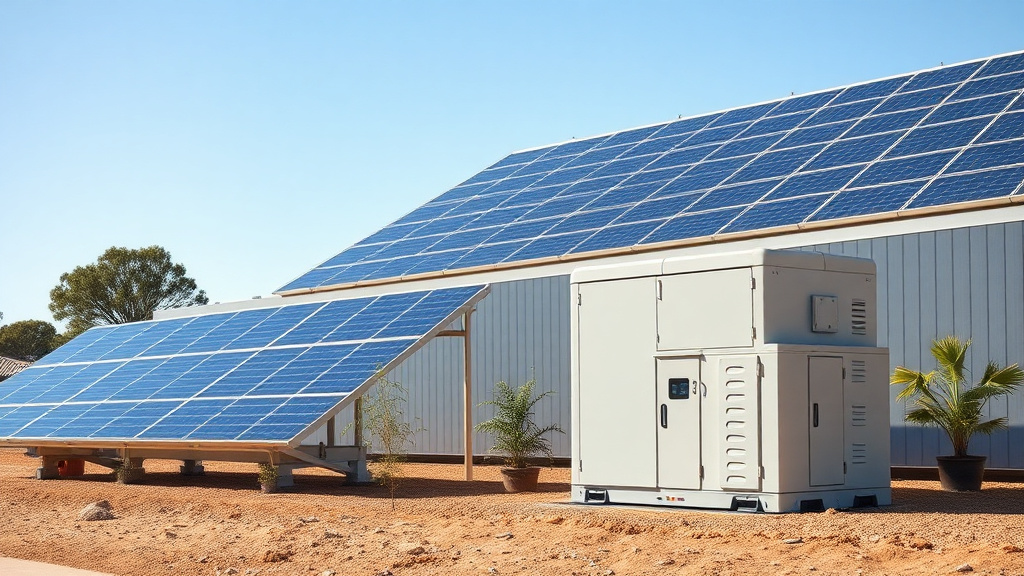
Battery Storage for Solar in Australia: Is It Worth It in 2026?
Imagine powering your home through a scorching Aussie summer evening blackout, all from the sun you captured that day. With solar panels already a staple on rooftops across Australia, adding battery s...
Water Restrictions and Bills in Australia: State-by-State Guide
With our scorching Aussie summers and unpredictable rainfall, keeping tabs on water restrictions and bills has never been more crucial. Whether you're in the bustling streets of Sydney or the quiet su...
Electricity Concessions and Rebates in Australia by State
Struggling with skyrocketing power bills? You're not alone—across Australia, households are feeling the pinch from rising energy costs in 2026. But here's the good news: electricity concessions and re...
How to Reduce Your Gas Bill in Australia
Gas bills hitting your wallet harder than a Sydney summer storm? You're not alone—Australian households are feeling the pinch from rising energy costs in 2026, but the good news is there are practical...