Solar Panels for Australian Homes: Costs, Rebates, and Payback Period
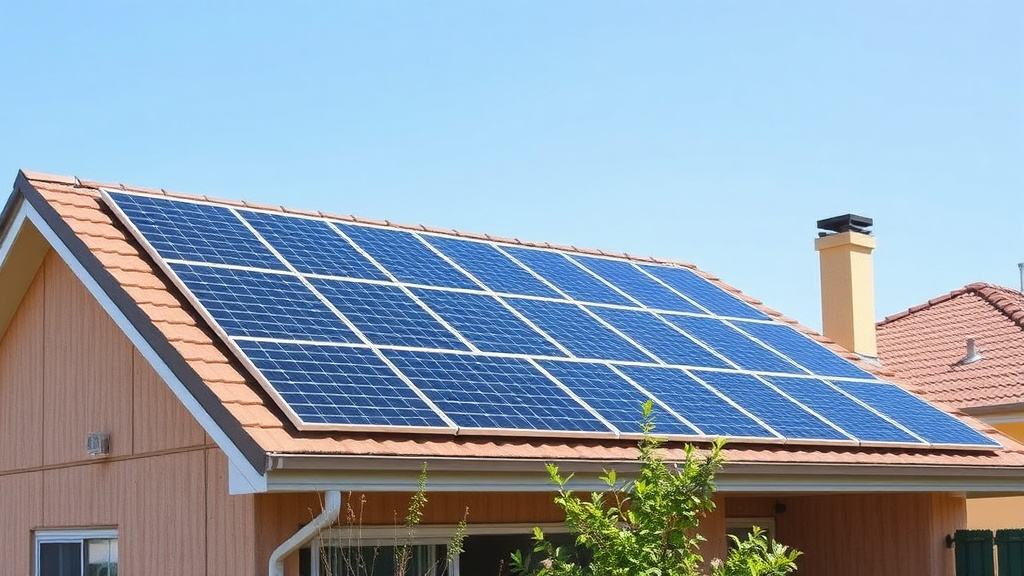
Going solar is one of the smartest energy decisions you can make as an Australian homeowner. With electricity prices climbing and technology becoming more affordable, a solar system can dramatically c...
The Lifetimes Australia editorial team curates, fact-checks, and updates guides on personal finance, property, health, immigration, legal, business, and lifestyle topics relevant to Lifetimes Australia readers. Articles are produced with AI assistance and reviewed by the editorial team before publication.
Going solar is one of the smartest energy decisions you can make as an Australian homeowner. With electricity prices climbing and technology becoming more affordable, a solar system can dramatically cut your power bills while boosting your home's value. But before you jump in, you'll want to understand what you're actually going to pay, how the government rebate works, and when you'll recoup your investment.
How Much Does a Solar System Cost in Australia Right Now?
Solar panel prices in Australia have come down significantly, and they're now more competitive than ever. The cost of a fully installed system depends on the size you choose, but here's what you can expect to pay in 2026:
- 3kW system: Around $4,000
- 5kW system: Around $5,300
- 6.6kW system: Around $6,400 (the most popular size for Australian homes)
- 8kW system: Around $7,700
- 10kW system: Around $10,000
These are fully installed costs—meaning panels, inverter, wiring, and labour all included. The good news? Over the past two years, average prices for a 10kW system have dropped from around $11,000 in 2023 to approximately $10,000 today, despite the government rebate getting smaller each year.
Why Prices Vary So Much
Several factors affect what you'll actually pay. The panel brand you choose makes a real difference. A budget-friendly panel like Jinko might cost around $130 per panel, whereas a premium option like SunPower could run over $290 each. For a full 10kW system, that's a difference of about $3,600 just in panels alone.
However, here's the important bit: panels only make up about 20–30% of your total system cost. The rest covers your inverter, installation labour, racking, and other equipment. So even if panel prices jump by 30%, your overall system cost only increases by 2–5%.
In 2026, there's some upward pressure on panel prices due to rising raw material costs (silver, aluminium, and glass), China's changes to polysilicon pricing, and currency movements. But it's manageable—not a crisis. The industry is also shifting towards newer, more efficient panel technologies like TOPCon, which can help offset higher upfront costs through better performance.
Understanding the Solar Rebate in 2026
The Australian government offers a rebate on solar systems through the Small-scale Technology Certificates (STC) scheme. This isn't a cash payment you apply for separately—the rebate is deducted from your invoice at the point of sale, which means you pay less upfront.
In 2026, the STC rebate will reduce the price of a 10kW system by around $2,500. For a 6.6kW system (the most common size), you can expect a rebate of roughly $1,500–$1,700.
How the Rebate Works
The rebate value depends on your system size and your location in Australia (different postcodes have different solar irradiance ratings). Your installer calculates the rebate based on the estimated electricity your system will generate over 15 years, and this discount is applied straight away.
One thing to remember: the rebate decreases slightly every January as the government gradually winds down the scheme. This means if you're thinking about going solar, getting quotes sooner rather than later makes financial sense.
Real-World Example: Budget vs. Premium Panels
Let's say you're installing a 10kW system. With budget panels and the $2,500 rebate factored in, you'll pay around $10,500 after the rebate. If you choose premium panels instead, you're looking at considerably more—the rebate only covers about half the extra panel cost.
The takeaway? Budget panels have improved dramatically in recent years, and the price gap between budget and premium options has narrowed significantly. Unless you're chasing maximum efficiency for a specific reason, budget panels offer excellent value.
What About Battery Storage?
Battery pricing varies widely depending on the system you choose. Entry-level options are more affordable, while premium systems like Tesla or Sigenergy command higher prices. Adding a battery to your solar system increases your upfront cost, but it protects you against power outages and helps you avoid peak electricity tariffs.
In 2026, battery rebates are evolving, so it's worth checking what incentives might be available in your state. The battery choice often matters more to your overall system cost than panel pricing alone.
How Long Until You Break Even?
The payback period—how long it takes for your solar savings to match your initial investment—depends on several factors: your system size, your location, your electricity usage, and your current power bills.
As a rough guide, most Australian homes see a payback period of 5–8 years. After that, you're essentially getting free electricity for the remaining 20+ years your system will operate. Given that modern solar panels come with 25-year warranties, you're looking at 15+ years of essentially free power once you've broken even.
Factors That Speed Up Your Payback
- Higher electricity bills (more savings per kWh generated)
- Larger system size (more generation, more savings)
- Good sun exposure on your roof (more efficient generation)
- Adding battery storage (protects against peak tariffs)
- Self-consuming most of your solar generation (rather than exporting it)
Is Solar Still Worth It in 2026?
Despite slightly higher panel prices and changing rebates, the answer is a solid yes for most Australian households. Here's why:
- Electricity prices remain volatile and trending upwards
- Solar panels generate free power for 25+ years
- Government rebates still cover a meaningful portion of costs
- Battery technology is improving and becoming more affordable
- Self-consumption delivers predictable, long-term savings
The key difference in 2026 is that choosing the right system matters more than chasing the cheapest price. A well-designed system tailored to your home and usage patterns will deliver far better returns than simply going with the lowest quote.
Getting the Best Deal on Solar
Here are practical steps to ensure you get genuine value:
- Get multiple quotes. Compare at least 3–4 installers in your area. Prices and service quality vary significantly.
- Check installer credentials. Look for Clean Energy Council accreditation and positive customer reviews.
- Ask about warranties. Panel warranties are typically 25 years; inverter warranties are usually 5–10 years. Clarify what's covered.
- Understand the rebate calculation. Your installer should explain exactly how much rebate you're getting and why.
- Consider your roof condition. If your roof needs work, factor that into your timeline for going solar.
- Think about future expansion. If you might add batteries later, ensure your inverter can handle it.
Next Steps: Getting Started with Solar
If you're ready to explore solar for your home, here's what to do:
- Calculate your usage. Check your last few electricity bills to understand your average monthly consumption (measured in kWh).
- Get online quotes. Use comparison tools or contact local installers directly for free quotes.
- Review your options. Compare system size, panel quality, inverter brand, warranty length, and total installed cost.
- Ask about the rebate. Confirm the STC rebate amount and ensure it's deducted from your invoice at purchase.
- Check your state incentives. Visit your state government's energy website for any additional rebates (particularly for batteries).
- Plan your installation timeline. Most systems are installed within 4–8 weeks of order.
Solar energy is a proven investment for Australian homes. With costs falling, rebates still available, and electricity prices climbing, 2026 remains an excellent time to make the switch. The sooner you go solar, the sooner you'll start enjoying lower bills and energy independence.
Frequently Asked Questions
Sources & References
- 1
-
2
The Cost of Solar Panels in 2026 — solarcalculator.com.au
-
3
Solar Panel Cost in Australia: What You Should Pay in 2026 — www.solarquotes.com.au
-
4
Solar Panel Prices in Australia 2026: What's Really Happening and What It Means for Homeowners — www.smartenergyanswers.com.au
-
5
Ignore Your Algorithm: Solar Prices Are Going Up in 2026, But It's Not a Crisis — reneweconomy.com.au
-
6
Why Solar Panel Prices Are Increasing in 2026 — perthsolarforce.com.au
Related Articles
Battery Storage for Solar in Australia: Is It Worth It in 2026?
Imagine powering your home through a scorching Aussie summer evening blackout, all from the sun you captured that day. With solar panels already a staple on rooftops across Australia, adding battery s...

Water Restrictions and Bills in Australia: State-by-State Guide
With our scorching Aussie summers and unpredictable rainfall, keeping tabs on water restrictions and bills has never been more crucial. Whether you're in the bustling streets of Sydney or the quiet su...
Electricity Concessions and Rebates in Australia by State
Struggling with skyrocketing power bills? You're not alone—across Australia, households are feeling the pinch from rising energy costs in 2026. But here's the good news: electricity concessions and re...

How to Reduce Your Gas Bill in Australia
Gas bills hitting your wallet harder than a Sydney summer storm? You're not alone—Australian households are feeling the pinch from rising energy costs in 2026, but the good news is there are practical...