Housing Affordability in Australia 2026: What the Data Really Shows
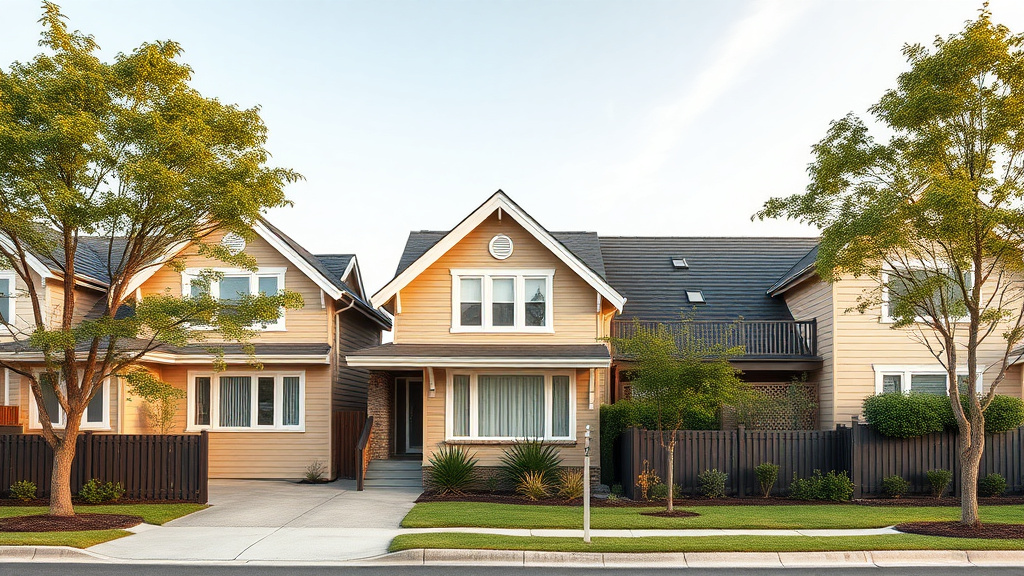
Imagine scraping together every spare dollar for years, only to watch the dream of owning a home in Australia slip further away as prices climb and interest rates bite harder. That's the stark reality...
The Lifetimes Australia editorial team curates, fact-checks, and updates guides on personal finance, property, health, immigration, legal, business, and lifestyle topics relevant to Lifetimes Australia readers. Articles are produced with AI assistance and reviewed by the editorial team before publication.
Imagine scraping together every spare dollar for years, only to watch the dream of owning a home in Australia slip further away as prices climb and interest rates bite harder. That's the stark reality for countless Aussies in 2026, where housing affordability has hit record lows, leaving both buyers and renters under immense pressure.
But what does the data really show? We're diving deep into the latest figures, city-by-city breakdowns, and government schemes to uncover the truth behind the headlines. Whether you're a first-home buyer in Sydney, a renter in Brisbane, or weighing up your options in Perth, this guide arms you with practical insights and actionable steps tailored to our Aussie market.
The Current State of Housing Affordability in Australia
Australia's housing market is now among the least affordable in the developed world, with metrics like price-to-income ratios reaching unprecedented highs by late 2025. According to Cotality's analysis, home values have surged 47.3% since March 2020, adding roughly $280,000 to the median dwelling value, while the cost of servicing a new mortgage eats up 45% of household income—well into "housing stress" territory (anything over 30%). With interest rates rising as of February 2026, this pressure is set to intensify.
The Demographia International Housing Affordability survey classifies Australia as "Severely Unaffordable," using the "median multiple" metric—median house price divided by median household income—to rank markets globally. Over the past five years, time to save a deposit and the share of income needed for rent have also hit records, making both buying and renting tougher than ever.
The market's total value stood at USD 150.95 billion in 2025, projected to grow steadily, driven by population increases from immigration and natural growth, plus urbanisation pulling demand into cities. Yet, these tailwinds mask deep challenges: affordability constraints in metros, where prices outpace wages, delaying homeownership for younger Aussies and straining renters' savings.
Key Metrics Breaking Down the Crisis
- Price-to-Income Ratio: At record highs, far exceeding sustainable levels.
- Mortgage Stress: 45% of income on new loans, with rates climbing.
- Rental Burden: Proportion of income for rent at all-time peaks.
- Market Rating: "Severely Unaffordable" per Demographia.
2026 House Price Forecasts: Growth Amid the Squeeze
Despite the crunch, experts predict house prices will rise 7.7% nationally in 2026, fuelled by strong demand and limited supply. Perth leads the pack with a whopping 12.8-13% jump, followed by Brisbane (10.9%) and Darwin (10.5%), while Adelaide eyes 8.2% for houses. Sydney and Melbourne expect more moderate gains—around 6.8% for Melbourne houses—but affordability ceilings are already capping growth in pricier spots like Sydney.
Rents aren't letting up either, forecasted to climb 3.5% in 2026 and 2027, above the long-term average, thanks to population booms outstripping new builds. Property experts warn of an "affordability runway" shrinking fast, especially with rising rates hitting median prices, incomes, and borrowing power. Perth and Brisbane have room to grow due to low listings and strong momentum, but Sydney's stagnating from its peak late last year.
| City | House Price Growth 2026 | Key Driver | |
|---|---|---|---|
| Perth | 12.8-13% | Record-low listings, high demand | |
| Brisbane | 10.9% | Population growth, supply lag | |
| Darwin | 10.5% | Strong momentum | |
| Adelaide | 8.2% | Emerging affordability issues | |
| Melbourne | 6.8% | Balanced but supply-constrained | |
| Sydney | Moderate | Affordability ceiling hit |
Housing affordability is set to worsen as supply lags behind demand, compounded by record build costs—no relief in sight soon.
Government Schemes: Help or Hype?
The Albanese Labor government's tweaks to first-home buyer programs, like expanding the 5% deposit guarantee in October 2025 and the new Help to Buy Scheme (shared-equity up to 40% for 40,000 households), aimed to ease entry. Price caps rose—e.g., $1.5 million for Sydney—removing place limits nationwide.
But critics argue these fuel demand, inflate prices, and benefit banks and investors more than workers. In Sydney, even lower-end properties stretch borrowing limits, leaving many first-timers sidelined. First-home grants and stamp duty concessions help with deposits, but don't tackle root issues like supply shortages.
Check eligibility via the National Housing Finance and Investment Corporation or state revenue offices for grants. Always crunch numbers with the ATO's mortgage calculator on ato.gov.au.
Why Affordability is Worsening: Supply, Rates, and More
Structural imbalances drive the crisis: rapid population growth versus sluggish construction, thanks to labour shortages, regulatory delays, rising material costs, and land limits in cities. Interest rate sensitivity shrinks borrowing power, while urban expansion lags infrastructure like schools and hospitals.
OECD notes housing affordability as key to sustaining living standards, alongside productivity, with inflation at 2.7% in 2026. Record build costs add another hit, ensuring supply can't catch up.
Practical Tips for Navigating 2026
- Boost Your Deposit: Use First Home Super Saver Scheme—withdraw up to $50,000 tax-free from super. Details on ato.gov.au.
- Target Regional Hubs: Cheaper options in Adelaide or outer Brisbane; check ABS data for median prices via abs.gov.au.
- Rent Smart: Factor 3.5% hikes; share houses or consider build-to-rent in growth areas.
- Get Pre-Approved: Lock in rates now; use Medicare-linked low-income support if eligible via servicesaustralia.gov.au.
- Build Equity: Renovate or subdivide if you're in; consult local councils for approvals.
Your Next Steps to Secure Housing in 2026
Don't let the data daunt you—start by assessing your finances with free tools on ato.gov.au and abs.gov.au. Explore schemes like Help to Buy or Home Guarantee Scheme today, and consider up-and-coming areas like outer Adelaide. Track local listings, build that deposit relentlessly, and consult a financial advisor versed in Aussie rules. With smart moves, you can navigate this market and stake your claim.
Frequently Asked Questions
Sources & References
-
1
Australian housing crisis: Unaffordability at record levels — www.wsws.org
- 2
-
3
Australia Housing Market Trends, Size 2026 — www.imarcgroup.com
-
4
Australia's Mortgage Holders Are In Trouble | Property Experts — www.youtube.com
-
5
Housing affordability set to worsen in 2026 as supply lags — www.brokernews.com.au
-
6
House prices projected to rise 7.7% in 2026 — www.mpamag.com
- 7
Useful Tools
Related Articles
Shared House Living in Australia: Rules, Rights, and Red Flags
With Australia's housing crisis pushing more Aussies into shared houses, knowing your rules, rights, and red flags is essential to avoid disputes or legal headaches. Whether you're a renter eyeing a r...
How to Find Affordable Housing in Australia When the Market Is Tough
Australia's housing market is facing unprecedented challenges, with affordability reaching record lows by the end of 2025[1]. For many Aussies, finding a home that won't stretch the budget to breaking...