How to Find Affordable Housing in Australia When the Market Is Tough
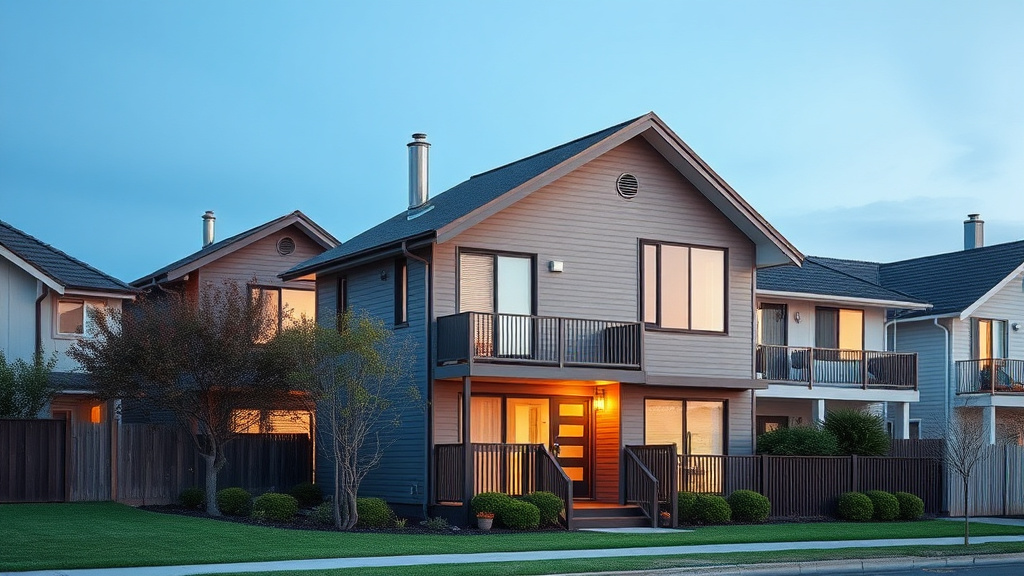
Australia's housing market is facing unprecedented challenges, with affordability reaching record lows by the end of 2025[1]. For many Aussies, finding a home that won't stretch the budget to breaking...
The Lifetimes Australia editorial team curates, fact-checks, and updates guides on personal finance, property, health, immigration, legal, business, and lifestyle topics relevant to Lifetimes Australia readers. Articles are produced with AI assistance and reviewed by the editorial team before publication.
Australia's housing market is facing unprecedented challenges, with affordability reaching record lows by the end of 2025. For many Aussies, finding a home that won't stretch the budget to breaking point feels nearly impossible. But there are strategies, government schemes, and resources that can help you navigate this tough market and secure housing that works for your situation.
Understanding Australia's Housing Crisis
The numbers tell a sobering story. Home values have surged by roughly 47.3 percent since March 2020, adding about $280,000 to the median dwelling value. More concerning, the cost of servicing a new mortgage now sits at 45 percent of household income—well above the 30 percent threshold considered "housing stress".
Australia's housing affordability is now ranked among the least affordable in the developed world. The median price-to-income ratio has hit record highs, meaning it takes longer than ever to save a deposit and a larger share of your income just to keep a roof over your head.
But understanding the problem is the first step to solving it. Let's explore practical ways you can find affordable housing despite these headwinds.
Government Schemes to Help You Buy
First Home Buyer Schemes
If you're a first home buyer, the Australian Government has expanded support to make purchasing more achievable. The expanded Home Guarantee Scheme now allows eligible first home buyers to purchase with a deposit as low as 5 percent, without needing to pay lenders mortgage insurance. This scheme has been expanded nationwide, removing previous place limits and increasing property price caps.
Additionally, the Help to Buy Scheme, launched in 2025, supports up to 40,000 eligible households with shared-equity contributions of up to 40 percent for new homes. This means the government essentially becomes a co-owner, reducing the amount you need to borrow.
Housing Australia Future Fund
The Australian Government is advancing toward a national target of 40,000 new social and affordable homes through the Housing Australia Future Fund (HAFF). To date, 279 projects have been committed to this fund. These homes are specifically designed to be more affordable than the private market, so monitoring HAFF developments in your area could reveal opportunities.
Social Housing and Community Housing Options
If you're struggling to afford private rental or purchase, social housing and community housing offer alternatives. As of 30 June 2025, there were 432,129 social housing dwellings available across Australia.
Social housing is managed by state and territory governments and prioritises those experiencing or at risk of homelessness, as well as those unable to access appropriate private market accommodation. Each state and territory has different income and asset limits, but these are regularly updated based on Centrelink guidelines.
To apply for social housing, you'll need to contact your state or territory housing authority. Waitlists are common, but if you're in genuine housing stress, you may be prioritised.
Practical Strategies for Finding Affordable Housing
Consider Regional and Emerging Markets
Capital city prices are at record highs, but regional Australia offers more breathing room. Brisbane, Perth, and Adelaide are experiencing stronger unit price growth as affordability improves in these markets compared to Sydney. If you're flexible on location and can work remotely or relocate, regional centres offer better value.
Apartment vs. House Decisions
Since COVID, detached houses have outpaced apartments in price growth across most of Australia. If you're looking for affordability, apartments in Brisbane, Perth, and Adelaide are expected to see stronger growth and may offer better entry-level pricing than houses.
Timing Your Purchase
Domain's 2026 forecast suggests that while the first half of the year will see strong activity driven by first home buyers competing with investors, the pace of price growth is expected to slow in the second half. If you can wait until later in 2026, you may face less competitive pressure and potentially better negotiating positions.
Build Your Savings Strategically
With the 5 percent deposit guarantee available, you don't need the traditional 20 percent deposit. Focus on saving 5-10 percent and using government schemes to bridge the gap. Every dollar saved reduces your loan amount and long-term interest costs.
Explore Co-Housing and Shared Ownership
Consider shared ownership models where you and others jointly purchase a property. This spreads costs and can make homeownership more achievable. Some community housing organisations offer these arrangements.
Renting Affordably in a Tight Market
If buying isn't immediately possible, renting strategically can free up resources for future deposit saving:
- Share housing: Renting a room in a shared house is typically cheaper than renting a whole property
- Live further out: Suburbs with longer commute times usually have lower rents than inner-city areas
- Negotiate: In some markets, landlords are willing to negotiate rent, especially for reliable tenants
- Check rental assistance: If you're renting and on a low income, you may be eligible for rental assistance through Centrelink
Frequently Asked Questions
Sources & References
-
1
housingaustralia.gov.au — www.housingaustralia.gov.au
-
2
centrelink.gov.au — www.centrelink.gov.au
-
3
Australian housing crisis: Unaffordability at record levels — www.wsws.org
-
4
Australia Housing Market Trends, Size 2026 | Real Estate — www.imarcgroup.com
-
5
Australia Housing Market Summary and Government Support Schemes — www.imarcgroup.com
-
6
Funding under the Housing Australia Future Fund — www.housingaustralia.gov.au
-
7
Report on Government Services 2026 — Housing — www.pc.gov.au
-
8
House prices and rents to keep rising in 2026, says Domain — www.youtube.com
-
9
Is 2026 the peak of Australia's housing cycle? — www.fresheconomicthinking.com
Related Articles
Housing Affordability in Australia 2026: What the Data Really Shows
Imagine scraping together every spare dollar for years, only to watch the dream of owning a home in Australia slip further away as prices climb and interest rates bite harder. That's the stark reality...
Shared House Living in Australia: Rules, Rights, and Red Flags
With Australia's housing crisis pushing more Aussies into shared houses, knowing your rules, rights, and red flags is essential to avoid disputes or legal headaches. Whether you're a renter eyeing a r...