Climate Zones in Australia: How to Choose Where to Live Based on Weather
Ever wondered why Darwin feels like a steamy tropical paradise while Melbourne swings from scorcher to shocker? Australia's climate zones shape our daily lives, from backyard barbecues to cosy winter...
The Lifetimes Australia editorial team curates, fact-checks, and updates guides on personal finance, property, health, immigration, legal, business, and lifestyle topics relevant to Lifetimes Australia readers. Articles are produced with AI assistance and reviewed by the editorial team before publication.
Ever wondered why Darwin feels like a steamy tropical paradise while Melbourne swings from scorcher to shocker? Australia's climate zones shape our daily lives, from backyard barbecues to cosy winter fires. Choosing where to live based on weather isn't just about preference—it's a smart move for comfort, health, and even your hip pocket.
In this guide, we'll break down Australia's key climate zones using official data from the Bureau of Meteorology (BOM) and Australian Building Codes Board (ABCB). You'll get practical tips on matching your lifestyle to the right zone, whether you're chasing endless summers or four distinct seasons. Let's dive in and find your perfect Aussie spot.
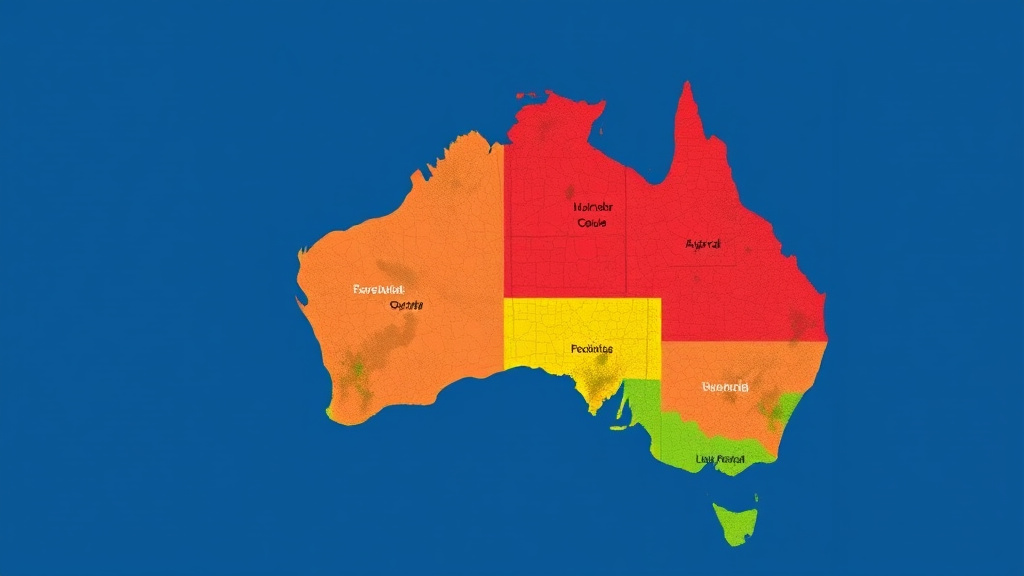
Australia's Climate Zones Explained
Australia spans tropical north to alpine south, creating wildly different weather patterns. The BOM uses Köppen classification to divide the country into major zones like equatorial, tropical, subtropical, desert, grassland, and temperate—no polar zones here. For building and living standards, the ABCB simplifies this into eight zones based on heating, cooling, and humidity needs.
These zones help us understand average temperatures, rainfall, and humidity. Northern areas bask in hot, humid summers, while the south chills with cold winters. Mountains and oceans add twists, like the Great Dividing Range pushing temperate weather up NSW's east coast.
The Eight NCC Climate Zones for Everyday Living
The National Construction Code (NCC) uses these zones to set energy-efficient building rules, but they're gold for home hunters too. Check the ABCB Climate Map by postcode to pinpoint yours. Here's a rundown:
- Zone 1: High humidity summer, warm winter – Think Darwin or Cairns. Steamy 30°C+ summers, minimal cool-downs. Great for beach lovers, tough on air-con bills.
- Zone 2: Warm humid summer, mild winter – Brisbane and Sydney's north. Balmy 28-32°C summers, gentle winters around 15-20°C.
- Zone 3: Hot dry summer, warm winter – Inland QLD and NT edges. Scorching 35°C+ days, warm nights.
- Zone 4: Hot dry summer, cool winter – Adelaide, Perth. Summer highs over 40°C, winters dipping to 5-10°C.
- Zone 5: Warm temperate – Coastal NSW/VIC like Sydney or Wollongong. Mild 25-30°C summers, cool 8-15°C winters.
- Zone 6: Mild temperate – Melbourne, Hobart fringes. 20-25°C summers, 5-12°C winters with rainy spells.
- Zone 7: Cool temperate – High country VIC/NSW, Tasmania. Chilly summers under 22°C, frosty winters below 5°C.
- Zone 8: Alpine – Snowy Mountains, Cradle Mountain. Elevations over 1200m in NSW/ACT/VIC or 900m in TAS bring snow and sub-zero temps.
Updated in recent years with BOM data, these zones now include humidity and alpine layers for better planning.
Köppen Classification: A Deeper Dive
For a broader view, BOM's Köppen maps (1951-2020 data) split Australia into equatorial rainforest, tropical savanna, subtropical with dry winters, hot deserts, and grasslands. Darwin's in tropical monsoon (Af), Alice Springs is hot desert (BWh), and Melbourne's humid subtropical (Cfa). No cold or polar zones exist down under.
Seasonal rainfall maps highlight six zones, from summer-wet tropics to winter-wet temperate areas. Temperature-humidity combos range from hot humid summers in the north to mild-warm summers with cold winters in Tassie.
How Weather Shapes Your Lifestyle Choices
Your ideal climate depends on family needs, work, hobbies, and health. Love surfing? Subtropical coasts call. Hate humidity? Dry inland might suit. Consider these factors:
- Health and allergies: Pollen peaks in spring for temperate zones (Zones 5-7); mould thrives in humid tropics (Zones 1-2).
- Energy costs: Zone 1 homes guzzle cooling; Zone 7 needs heating. NCC rules mandate better insulation accordingly.
- Outdoor life: Year-round pools in the north vs. ski seasons south.
- Bushfire and flood risk: Hot dry zones (3-4) face fires; wet tropics floods.
Family-Friendly Picks by Life Stage
Young families: Zone 5-6 (e.g., Gold Coast, Geelong) offers mild weather for parks and schools. Average 250 sunny days/year in Sydney.
Retirees: Zone 2 or 4 like Noosa or Margaret River—warm without extremes. Medicare covers more sun-smart check-ups in UV-hot areas.
Adventure seekers: Zone 8 for snow sports; Zone 1 for reef diving.
Pros and Cons of Each Climate Zone
Here's a quick comparison to weigh options:
| Zone | Examples | Pros | Cons | Avg Summer High / Winter Low |
|---|---|---|---|---|
| 1-2 (Humid) | Darwin, Brisbane | Year-round warmth, beaches | Humidity, cyclones, high AC costs | 32°C / 20°C |
| 3-4 (Hot Dry) | Alice Springs, Perth | Sunny, dry heat | Extremes, dust, water limits | 38°C / 8°C |
| 5-6 (Temperate) | Sydney, Melbourne | Four seasons, culture | Unpredictable rain, chills | 28°C / 10°C |
| 7-8 (Cool/Alpine) | Canberra, Thredbo | Crisp air, snow | Cold snaps, shorter summers | 22°C / 0°C |
Practical Tips: Choosing and Thriving in Your Zone
- Use official tools: Plug your postcode into the ABCB Climate Map or BOM's classification maps.
- Visit in peak seasons: Spend a wet summer in Darwin or windy winter in Melbourne before committing.
- Budget for climate: Zone 1-4 homes need better shading; check ATO energy rebates at ato.gov.au.
- Home features: NCC-compliant builds in Zone 6 save 30% on bills with good glazing.
- Relocation perks: Centrelink adjusts for regional moves; HECS-HELP repayments ease in lower-cost areas.
- Climate change prep: BOM predicts hotter north, wetter east—factor extremes.
Real Aussie Examples: Where to Live
Tropical bliss (Zone 1-2): Cairns—reef access, but stock mozzies spray.
Balanced life (Zone 5): Newcastle—beaches, jobs, 25°C averages.
Dry heat (Zone 4): Margaret River—wines, waves, mild rains.
Cool retreat (Zone 7): Orange—wine regions, apple harvests, foggy mornings.
Next Steps: Find Your Perfect Climate Match
Grab a coffee, fire up the ABCB map, and list your must-haves—sunshine hours, school zones, commute. Chat with locals on forums or visit. Whatever you pick, Australia's got a zone that'll feel like home. Happy house hunting!
Frequently Asked Questions
Sources & References
-
1
ABCB Climate Map — Australian Building Codes Board — www.abcb.gov.au
-
2
Australia Zones Map — Dave's Seed — www.davesseed.com
-
3
Climate Classification Maps — Bureau of Meteorology — www.bom.gov.au
-
4
Australia Climate Zone Map PDF — Squarespace — static1.squarespace.com
-
5
Koppen Climate Classification Map Australia — Plantmaps — www.plantmaps.com
-
6
Climate Map Overview — ArcGIS Online — www.arcgis.com
Useful Tools
Related Articles
Disney+ Australia 2026: Best New Shows, Movies and Pricing Guide
The complete 2026 Disney+ Australia watch guide: Wonder Man, Daredevil: Born Again, Andor S2, Bluey shorts, The Testaments, The Bear S5, Alien: Earth and more, with AU pricing.
How to Downsize Your Home in Retirement: Financial and Practical Steps
Picture this: you've spent decades raising a family in a spacious home filled with memories, but now in retirement, those extra bedrooms echo emptily, council rates climb higher, and maintenance feels...
Best Places to Retire in Australia in 2026: Affordability and Lifestyle
Planning your retirement in Australia means finding that sweet spot where affordability meets a lifestyle you'll love—think sunny beaches, friendly communities, and easy access to healthcare without b...
Regional Australia: Why More Australians Are Moving Inland in 2026
Imagine swapping the hustle of Sydney's traffic for the wide-open spaces of the Hunter Valley, or trading Melbourne's rainy commutes for the sunny shores of the Sunshine Coast. In 2026, more Aussies a...