Regional Australia: Why More Australians Are Moving Inland in 2026
Imagine swapping the hustle of Sydney's traffic for the wide-open spaces of the Hunter Valley, or trading Melbourne's rainy commutes for the sunny shores of the Sunshine Coast. In 2026, more Aussies a...
The Lifetimes Australia editorial team curates, fact-checks, and updates guides on personal finance, property, health, immigration, legal, business, and lifestyle topics relevant to Lifetimes Australia readers. Articles are produced with AI assistance and reviewed by the editorial team before publication.
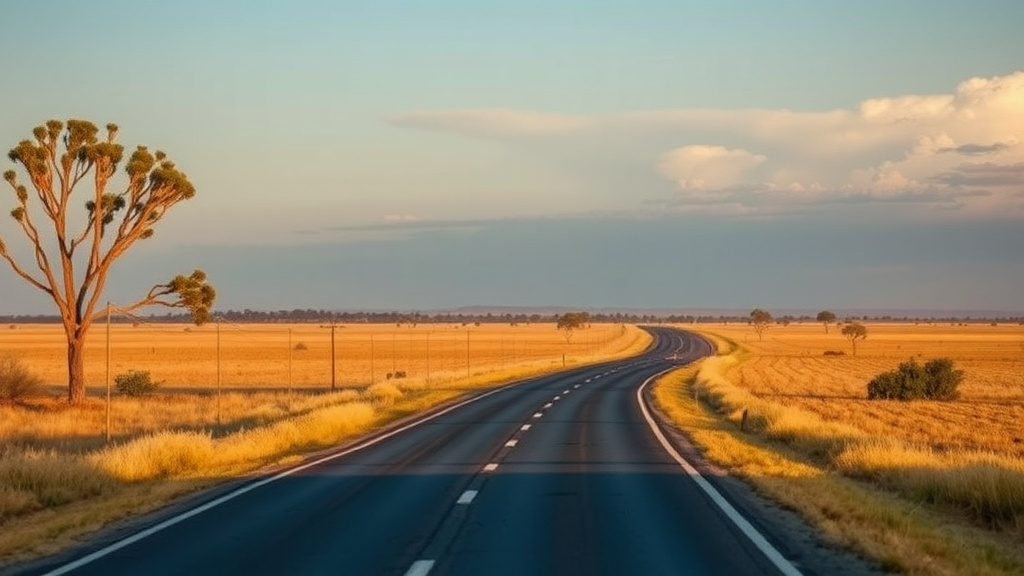
Imagine swapping the hustle of Sydney's traffic for the wide-open spaces of the Hunter Valley, or trading Melbourne's rainy commutes for the sunny shores of the Sunshine Coast. In 2026, more Aussies are making that exact move, heading inland to regional Australia for a fresh start. This shift isn't just a trend—it's a lifestyle revolution driven by affordability, work flexibility, and a pull towards community and nature.
With capital city housing prices still biting hard and remote work here to stay, regional areas are booming. Let's dive into why thousands are packing up and why 2026 could be the perfect time for you to join them.
The Big Shift: Population Trends Driving the Move Inland
Australia's population growth tells a compelling story. While states like Western Australia lead with a whopping 2.20% growth rate, much of this expansion is spilling into regional hubs rather than just the big cities. New South Wales, for instance, is seeing a strong internal migration from Sydney to its regional areas, fuelled by sky-high housing costs in the harbour city. Queensland, the darling of interstate movers, continues its streak as the only state with positive net interstate migration every year since the 1980s, drawing 21,595 net interstate migrants in 2024-25 alone.
This isn't random. Net overseas migration, which made up 73% of national growth recently, is increasingly targeting regional visas, with 32,300 places allocated in the 2025-2026 Migration Program. Capital-to-regional moves now account for 11.5% of all major relocations, showing city dwellers are voting with their feet.
State-by-State Breakdown: Where the Action Is
- New South Wales: Sydney's housing crunch is pushing families inland to places like the Central Coast or Riverina. Nearly 90% of NSW growth comes from overseas migration, but locals are heading regional for affordability.
- Queensland: From Brisbane to the Gold Coast hinterland or Townsville, QLD snags the most interstate migrants, especially from NSW. Net inflow from Kiwis jumped 78.4% recently.
- Western Australia: Fastest-growing state at 2.20%, with regional spots like Margaret River and Bunbury attracting workers and families.
- Victoria: After years of outflows, recent quarters show positive interstate gains, boosting regional towns like Ballarat and Gippsland.
These trends highlight how regional Australia is absorbing both Aussie movers and new migrants, easing pressure on capitals.
Key Reasons Aussies Are Choosing Regional Life in 2026
It's not just numbers—it's lifestyle. Here's why regional Australia is calling.
Affordable Housing and Cost of Living
Capital city median house prices hover around $1 million, but regional medians are often half that. In NSW's regional areas, you can snag a family home for under $600,000, saving thousands yearly on mortgages. With interest rates stabilising in 2026, lower regional prices mean smaller repayments and more cash for living.
Don't forget running costs: regional groceries and utilities can be 10-20% cheaper, per ABS data. Practical tip: Use the ATO's online tools to calculate your potential savings when relocating—factor in any HECS-HELP repayments if applicable.
Remote Work and Lifestyle Flexibility
Post-COVID, over 40% of Aussies now work hybrid or fully remote, per recent surveys. This unlocks regional living without job loss. Towns with fast NBN like Orange (NSW) or Toowoomba (QLD) are hotspots for tech and professional workers.
Actionable advice: Check your employer's remote policy and test regional internet speeds via the NBN Co website before committing.
Better Work-Life Balance and Community Vibes
Regional spots offer shorter commutes, fresh air, and tight-knit communities. Families love access to nature—think hiking in the Blue Mountains or beaches in regional QLD. Schools often have smaller classes, and Centrelink supports like Family Tax Benefit stretch further with lower costs.
Healthcare? Medicare covers regional services equally, with many areas getting boosts via the Regional Health Strategy.
Government Incentives Making It Easier
The 2025-2026 Migration Program holds steady at 185,000 places, with a big push for regional settlement via 32,300 regional visas (491/494). For Aussies moving internally, check state grants: NSW's Relocation Assistance Scheme offers up to $10,000 for regional jobs in priority sectors.
QLD's growing economy means jobs in mining, ag, and tourism—use Seek or the QLD Government jobs portal to scout.
Real-Life Stories: Aussies Who Made the Move
Take Sarah from Melbourne, who relocated to Bendigo in 2025. "House prices were insane—we bought a four-bedder for $550k, and I work remotely for my city firm," she shares. Or the Jones family from Sydney, now in Dubbo: "Kids in smaller schools, weekends at the beach—it's paradise." These stories echo the 11.5% capital-to-regional shift.
"Regional appeal is stronger than ever, with southern states seeing real migration growth." — Regional Australia Institute
Challenges and How to Overcome Them
It's not all smooth. Job markets can be smaller, so upskill via TAFE regional campuses. Services like specialists might mean a drive to the nearest city—plan with Medicare's finder tool.
Tip: Join local Facebook groups or Regional Australia Bank forums for insider advice. Budget for moving costs via Removals comparison sites.
Is 2026 Your Time to Move? Practical Steps
- Research hotspots: Use ABS QuickStats for population data on towns like Wagga Wagga or Cairns.
- Financial check: Run numbers with ATO's tax calculator and Centrelink's payment finder.
- Visit first: Holiday in target areas to test the vibe.
- Secure work: Leverage LinkedIn for regional roles or state nomination if migrating.
- Get support: Contact Services Australia for relocation benefits.
Ready to Make Regional Australia Home?
2026 is shaping up as the year regional living goes mainstream, with affordability, jobs, and government backing making the inland move smarter than ever. Start by listing your must-haves—affordable home, good schools, fast internet—and explore today. Your dream regional life could be just a road trip away. Chat with a local real estate agent or visit australia.gov.au for relocation guides to get started.
Frequently Asked Questions
Sources & References
-
1
How Fast Is Australia Growing? - ID — www.id.com.au
-
2
Queensland and National Population Update to June quarter 2025 [PDF] — adepteconomics.com.au
-
3
Australia Migration Program 2025–2026: Stability Despite Debate — www.fmigration.com.au
-
4
Migration Program 2025-2026: Who has the opportunity in Australia? — skilldirect.com.au
-
5
Annual net overseas migration falls for the second year in a row — www.abs.gov.au
-
6
Migration Program Planning Levels for 2026 Announced — ajurialawyers.com
-
7
Regional appeal strong as southern states see migration growth — www.regionalaustralia.org.au
Related Articles
Disney+ Australia 2026: Best New Shows, Movies and Pricing Guide
The complete 2026 Disney+ Australia watch guide: Wonder Man, Daredevil: Born Again, Andor S2, Bluey shorts, The Testaments, The Bear S5, Alien: Earth and more, with AU pricing.

How to Downsize Your Home in Retirement: Financial and Practical Steps
Picture this: you've spent decades raising a family in a spacious home filled with memories, but now in retirement, those extra bedrooms echo emptily, council rates climb higher, and maintenance feels...

Best Places to Retire in Australia in 2026: Affordability and Lifestyle
Planning your retirement in Australia means finding that sweet spot where affordability meets a lifestyle you'll love—think sunny beaches, friendly communities, and easy access to healthcare without b...
Living Off the Grid in Australia: Costs, Rules, and Reality
Going off the grid in Australia isn't just a romantic notion anymore—it's becoming a realistic option for Aussies seeking energy independence and protection from rising electricity costs. But before y...