Living Off the Grid in Australia: Costs, Rules, and Reality
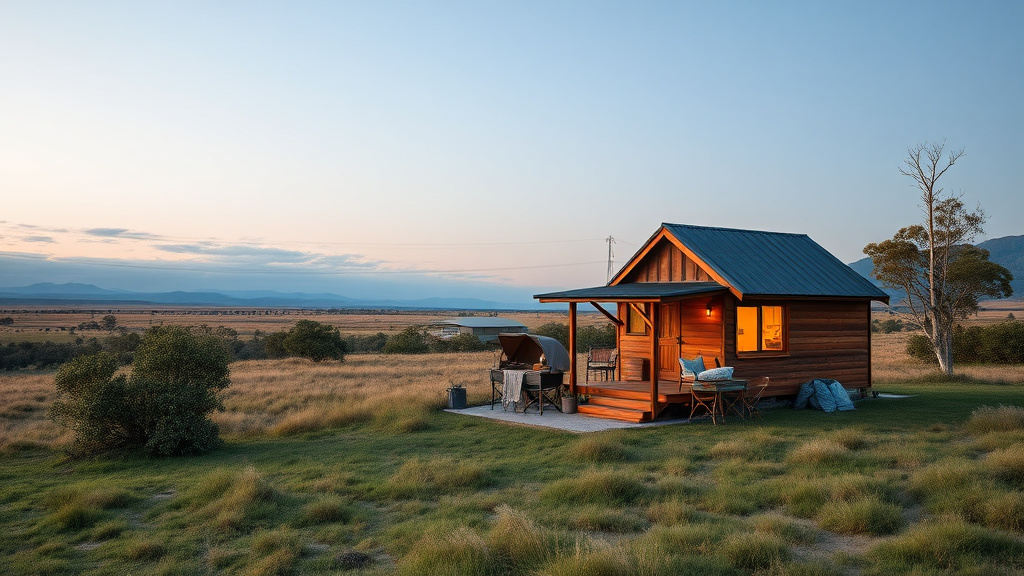
Going off the grid in Australia isn't just a romantic notion anymore—it's becoming a realistic option for Aussies seeking energy independence and protection from rising electricity costs. But before y...
The Lifetimes Australia editorial team curates, fact-checks, and updates guides on personal finance, property, health, immigration, legal, business, and lifestyle topics relevant to Lifetimes Australia readers. Articles are produced with AI assistance and reviewed by the editorial team before publication.
Going off the grid in Australia isn't just a romantic notion anymore—it's becoming a realistic option for Aussies seeking energy independence and protection from rising electricity costs. But before you disconnect from the mains, you need to understand what it actually costs, what rules apply, and whether it's genuinely the right choice for your situation. The reality is more nuanced than the marketing suggests, and getting it right requires careful planning.
What Does "Off the Grid" Actually Mean?
Living off the grid means disconnecting from the National Electricity Market and generating your own power, typically through solar panels combined with battery storage and often a backup generator. Unlike grid-connected homes that can export excess power to the network, off-grid systems must be entirely self-sufficient, storing enough energy to power your home during winter months and cloudy periods.
There are also hybrid systems that sit somewhere in between—you might have solar panels and batteries but maintain a connection to the grid as backup, or use a generator for emergencies. These hybrid setups offer more flexibility and can be significantly cheaper than fully off-grid systems.
The Real Cost of Going Off the Grid in Australia
System Costs in 2026
The upfront cost of an off-grid solar system depends heavily on your daily energy consumption and how many days of autonomy you need (essentially, how long your batteries need to power your home without solar generation).
For a typical Australian home using around 18kWh per day, expect to pay between $25,000–$45,000 for a complete off-grid system. Here's how costs break down by household size:
- Small 2–3 bedroom home: $15,000–$25,000
- Average 3–4 bedroom home: $25,000–$45,000
- Large family home or heavy power user: $45,000–$70,000+
For more detailed scenarios based on daily energy usage:
- 10kWh/day usage: Hybrid system from $15,000; full off-grid with installation around $35,000+
- 25kWh/day usage: Hybrid system from $25,000; full off-grid with installation around $60,000+
- 50kWh/day usage: Hybrid system from $30,000; full off-grid with installation around $100,000+
Why Battery Storage Is So Expensive
The biggest cost driver in off-grid systems is battery storage, not the solar panels themselves. A 6.6kW grid-connected solar system costs just $6,000–$8,500, but the same solar capacity with off-grid batteries jumps to $25,000–$45,000. This is because you need enough battery capacity to store energy for winter months and consecutive cloudy days—potentially weeks of autonomy depending on your location and preferences.
As one off-grid homeowner in Victoria shared with the ABC, the initial investment was substantial: "When I tell people I haven't paid a single power bill in 20 years, they go, that's fantastic! But the person who set this up in today's money would've paid around $50,000."
Installation and Location Factors
Your location affects costs significantly. Remote areas where grid connection would cost tens of thousands of dollars often make off-grid systems the more economical choice from the outset. Conversely, if you're in an area with easy grid access, the upfront cost becomes harder to justify financially.
Installation complexity, site conditions, and the level of system automation you want also influence the final price.
The Long-Term Financial Picture
Payback Period
Off-grid systems typically pay for themselves within about 15 years, which conveniently aligns with when major components like batteries may need replacing. However, this timeline varies significantly based on:
- Your current electricity bills (higher bills = faster payback)
- How much energy you actually use
- Your location and solar potential
- Whether you're avoiding expensive grid connection costs
Unlike grid-connected solar systems, off-grid homes don't receive feed-in tariffs (payments for exporting excess power), so your savings come entirely from avoiding electricity bills and network connection fees.
Ongoing Costs You'll Still Have
Going off-grid doesn't eliminate all utility-related expenses. You'll still typically pay council rates for using the land and local infrastructure (around $1,200 per year is common). You may also need to maintain a septic system, manage your own water supply, and budget for battery replacements every 10–15 years.
Rules and Regulations for Off-Grid Living in Australia
State-Based Building Codes
Australia doesn't have a single national standard for off-grid systems. Instead, each state and territory has its own building codes and planning requirements. Generally, you'll need to:
- Obtain building approval for any new structures or major modifications
- Comply with electrical safety standards (AS/NZS 4777 for solar installations)
- Get council approval for your system, especially if you're in a regional area
- Ensure your system meets Australian Standards for standalone power systems
Contact your local council before planning an off-grid setup—requirements vary significantly between councils and states.
Land Ownership and Financing
If you're buying property in an off-grid community, be aware that some communities don't allow individual land ownership, which can make securing a mortgage impossible. At Starlight, a well-known off-grid community, residents don't own the land, forcing them to buy with cash. This is a significant barrier for many Australians.
Permits and Inspections
Your off-grid system will likely need inspection and certification. Work with a qualified installer who understands your state's specific requirements and can navigate the approval process.
Is Off-Grid Living Actually Cheaper?
This depends entirely on your circumstances:
Off-grid makes financial sense when:
- You're in a remote location where grid connection would cost $20,000–$40,000+
- You're willing to commit to 15+ years to recoup your investment
- You have significant upfront capital available
- You can reduce energy consumption through efficiency measures
Grid-connected solar is usually cheaper when:
- You're in an area with easy grid access
- You want lower upfront costs (grid solar is $6,000–$8,500 vs. $25,000–$45,000+ off-grid)
- You want to benefit from feed-in tariffs on excess generation
- You need flexibility without long-term commitment
The falling costs of solar panels and batteries are making off-grid more viable than ever, but it's still not automatically the cheapest option.
Finding Off-Grid Communities in Australia
Several established off-grid communities exist across Australia, from Chewton Bushlands in Victoria to communities in Queensland and Western Australia. These communities often have:
- Shared resources and knowledge
- Established infrastructure (sometimes)
- Community support networks
- Property available for purchase or lease
However, property in these communities isn't necessarily cheap. Established homes in popular communities can cost $400,000–$700,000, though more affordable options exist in less popular regions.
Frequently Asked Questions
Making Your Decision: Next Steps
Before going off-grid, take these practical steps:
Calculate your actual energy usage. Review 12 months of electricity bills to understand your real consumption patterns, especially seasonal variations.
Get a site assessment. A qualified installer can evaluate your location's solar potential, roof space, and shading to estimate realistic generation.
Check local regulations. Contact your council's planning department to understand what's permitted in your area and what approvals you'll need.
Get multiple quotes. Obtain quotes from at least three qualified installers who understand your state's requirements.
Consider hybrid first. If you're unsure, a hybrid system offers more flexibility and lower upfront cost while you test the lifestyle.
Factor in long-term costs. Budget for battery replacement, maintenance, generator fuel, and council rates over 20+ years.
Explore your location options. Research established off-grid communities if you want social connection and shared resources.
Going off the grid in Australia is increasingly viable, but it's not a decision to make lightly. The $25,000–$45,000+ upfront investment is substantial, and it only makes sense if you're genuinely committed to energy independence, willing to wait 15 years for payback, or in a situation where grid connection would be significantly more expensive. For many Aussies, a grid-connected solar system with batteries offers a better balance of cost, flexibility, and long-term value. Whatever you choose, get professional advice tailored to your specific circumstances and location.
Sources & References
Off-Grid Solar System Cost in Australia 2026 — Energy Matters
Going Off-Grid in Australia: Here's What It Really Costs — Commodore Australia
The 12 Australian Towns Where Off Grid Living Is Practically Free — YouTube
Off Grid Solar System Price & Installation — Solar Calculator
How much does an Off-Grid system cost? — Offgrid Solar Power
Is living off grid actually cheaper? — SBS Insight
Off-Grid Solar Incentives and Feed-In Tariffs in Australia 2026 — Clean Power Electrical
Why 2026 Is The Time To Go Off Grid — YouTube
Related Articles
Disney+ Australia 2026: Best New Shows, Movies and Pricing Guide
The complete 2026 Disney+ Australia watch guide: Wonder Man, Daredevil: Born Again, Andor S2, Bluey shorts, The Testaments, The Bear S5, Alien: Earth and more, with AU pricing.
How to Downsize Your Home in Retirement: Financial and Practical Steps
Picture this: you've spent decades raising a family in a spacious home filled with memories, but now in retirement, those extra bedrooms echo emptily, council rates climb higher, and maintenance feels...
Best Places to Retire in Australia in 2026: Affordability and Lifestyle
Planning your retirement in Australia means finding that sweet spot where affordability meets a lifestyle you'll love—think sunny beaches, friendly communities, and easy access to healthcare without b...
Regional Australia: Why More Australians Are Moving Inland in 2026
Imagine swapping the hustle of Sydney's traffic for the wide-open spaces of the Hunter Valley, or trading Melbourne's rainy commutes for the sunny shores of the Sunshine Coast. In 2026, more Aussies a...